AI Bedtime Stories: Cozy Prompts for Parents & Creators
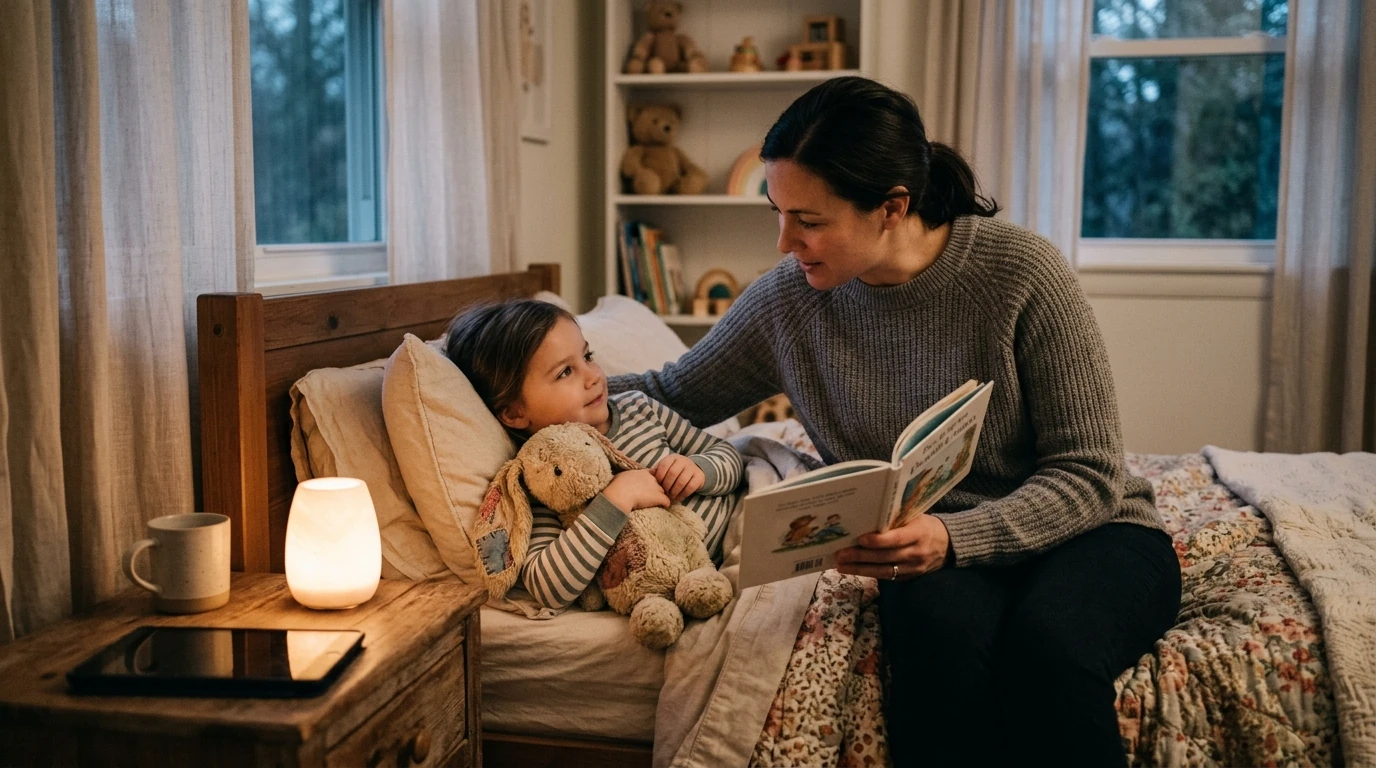
Spark Imagination with AI for Bedtime Stories: Inspired Nights for Parents and Creators
Bedtime can be the sweetest part of the day—until everyone is tired, ideas run out, and the same two books get requested on repeat. Our team created this digital guide for those moments: a practical, creativity-first way to use AI for fresh bedtime story ideas while keeping the story warm, personal, and age-appropriate. Whether you want a calmer evening routine or a reliable storytelling workflow, this eBook helps turn “Tell me a story…” into a night-by-night tradition that actually feels doable.
Who this guide is for (and what it helps you solve)
- Parents and caregivers who want new story ideas without spending an hour inventing plots at the edge of the bed
- Kids who love to choose the characters, settings, and “silly twist” and feel included in the story
- Teachers, babysitters, and activity leaders who need quick, themed stories (friendship, courage, first day jitters, sharing)
- Creators who want a repeatable way to brainstorm bedtime-friendly scenes, morals, and gentle humor
- Anyone who wants AI support while keeping the final story voice human and comforting
What “AI help” should look like at bedtime
At bedtime, AI works best as a helper for brainstorming—not a replacement for connection. Your child still wants your voice, your pacing, and the little details that make them feel seen.
- A helper, not a substitute: The best stories include your child’s favorite anchors (a stuffed animal, a pet’s name, a current obsession).
- Short, soothing structure: Predictable arcs, soft stakes, and a calm landing support winding down.
- Choice-driven storytelling: Letting your child pick 1–3 options (character, place, problem) often reduces stalling and negotiation.
- Consistency: A simple, reusable routine makes story nights easier even when your energy is low.
For healthy sleep routines overall, it can also help to keep bedtime patterns steady. The American Academy of Pediatrics’ guidance on healthy sleep habits is a solid reference for building wind-down time that works in real life.
A simple prompt recipe that works even on tired nights
When you’re running on low battery, you don’t need a perfect idea—you need a dependable structure. Our team recommends a seven-part “story spine” that keeps things cozy and readable out loud:
- Start with a bedtime tone: “cozy,” “gentle,” “sleepy adventure,” “calm and reassuring.”
- Choose an age band and length: toddlers often do best with 2–4 minutes; older kids may enjoy 6–10 minutes.
- Add a familiar anchor: your child’s name, a comfort object, a routine detail (bath bubbles, nightlight, lullaby).
- Use one clear theme: bravery, kindness, trying again, new sibling, nighttime fears, sharing, patience.
- Keep the problem gentle: small fears, lost items, misunderstandings, learning to wait.
- Make the resolution reassuring: help arrives, a plan works, the character feels safe again.
- End with a wind-down: return home, warm blanket, quiet breathing, gratitude, a soft closing line.
Bedtime Story Prompt Builder (copy-and-fill)
| Prompt Part | What to include | Example |
|---|---|---|
| Tone + goal | Cozy mood and a calm ending | “Write a cozy bedtime story that ends peacefully.” |
| Age + length | Age band and reading time | “For a 5-year-old, about 6 minutes.” |
| Main character | Child name or a friendly character | “Starring Mia and a shy moon rabbit.” |
| Setting | One vivid place | “In a lantern-lit forest near a quiet lake.” |
| Gentle problem | Low-stress challenge | “Mia can’t find the perfect goodnight song.” |
| Theme | One lesson | “Theme: trying again with patience.” |
| Bedtime landing | A soothing final scene | “End with slow breathing and a cozy blanket moment.” |
Safety, comfort, and age-appropriate storytelling
Bedtime stories should settle your child’s nervous system, not rev it up. A few boundaries up front can keep the tone gentle and predictable:
- Keep stakes low: Avoid graphic peril, intense villains, or cliffhangers that activate more energy right before sleep.
- Use “gentle conflict”: Misunderstandings, small fears, lost items, trying something new.
- Set boundaries for the AI: Ask for no scary imagery, no violence, and a reassuring adult presence when needed.
- Privacy basics: Skip real addresses, school names, and identifying details—first names or nicknames are plenty.
- Comfort plans for known fears: If storms or darkness are hard for your child, weave in a coping tool (nightlight, breathing, a “safe helper” character).
If you’re navigating AI with kids, Common Sense Media’s Parents’ Guide to AI is a practical companion for setting expectations and boundaries.
Make it yours: easy personalization that kids remember
For creators: a fast workflow for bedtime-friendly story batches
For broader child-focused AI considerations, UNICEF’s policy guidance on AI for children is a helpful, values-based perspective.
Common bedtime snags (and what to do instead)
Recommended picks from our store
- Spark Imagination with AI for Bedtime Stories – Guide for Parents & Creators | Digital Storytelling eBook for Inspired Nights
- Smart Insurance for New Car Owners: A Guide to Understanding Insurance Basics & Choosing the Right Policy
- Exaggerated Leaf Stud Earrings – Trendy Geometric Design
How to use this eBook for an easier nightly routine
FAQ
What should a good AI bedtime story include for younger kids?
Keep the tone cozy, the structure simple, and the length short, with gentle conflict and familiar anchors like your child’s name or comfort item. Add clear boundaries to avoid scary content, and read it aloud once to make sure it feels soothing and easy to follow.
How can AI help without making stories feel generic?
Personalize with child-chosen details, recurring phrases, and family rituals, and keep the setting specific without being identifying. Saving a few favorite frameworks and reusing a “mini-series” character also builds a signature feel that’s unique to your bedtime routine.
Is it okay to use real names in prompts?
Using a first name or nickname is usually enough for personalization. Avoid sharing addresses, school names, and other identifying details, and keep the ingredients focused on the story’s tone, theme, and comfort cues.















Leave a comment