AI Wardrobe Planning: Outfit Formulas, Less Shopping
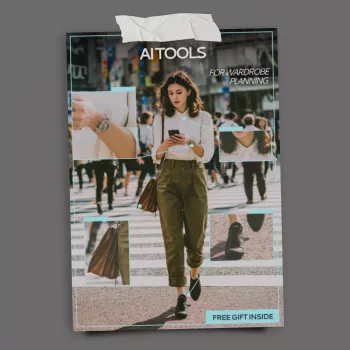
AI Tools for Wardrobe Planning: A Smarter Way to Organize Your Closet, Build Outfits, and Shop Less
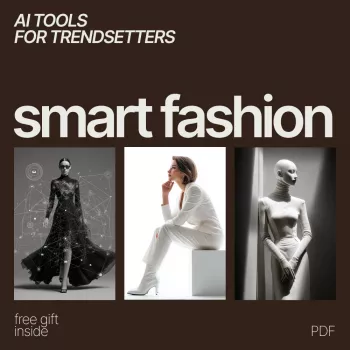
A closet can be full and still feel like there’s “nothing to wear.” The fix usually isn’t more shopping—it’s better systems. Our team created the AI Tools for Wardrobe Planning – Smart Style Guide eBook (Digital Download) to help you turn scattered wardrobe pieces into repeatable outfit formulas, using AI tools to speed up planning, tighten gaps, and support more sustainable choices.
Instead of starting each morning from scratch, you’ll build a wardrobe “playbook” you can reuse: what you own, what works together, what you actually wear, and what you can stop buying on impulse.
What this Smart Style Guide helps solve (fast)
- Decision fatigue: reduce daily outfit choices to a small set of proven combinations.
- Closet clutter: identify what’s worn, what’s not, and why—then streamline without guesswork.
- Impulse shopping: create a clear list of true wardrobe gaps before buying anything new.
- Style inconsistency: build outfit formulas that match lifestyle needs (work, casual, events, travel).
- Sustainability goals: get more wears per item and avoid duplicates through intentional planning.
How AI fits into wardrobe planning (without making it complicated)
You don’t need a high-tech closet to benefit from AI support. Think of AI as your planning assistant: you provide your real wardrobe (photos or a list) and your real life (weather, dress code, comfort needs), and you get usable starting points you can edit.
- Generate outfit ideas from items you already own, filtered by weather, dress code, and preferences.
- Turn closet photos or item lists into a searchable “digital wardrobe,” then request mix-and-match combinations.
- Create a personal style brief (colors, silhouettes, comfort level, lifestyle needs) so suggestions feel like you.
- Build a weekly outfit plan in minutes: AI drafts options; you approve, tweak, and save favorites.
- Shop with guardrails: compare a potential purchase to what’s already in your closet to avoid near-duplicates.
Where AI helps most in a real closet
| Task | Traditional approach | With AI support |
|---|---|---|
| Outfit planning | Try-on sessions and guesswork | Quick draft outfits from your item list, then refine |
| Closet audit | Manual sorting by memory | Prompts to categorize, spot duplicates, and define keep/donate rules |
| Packing for trips | Overpacking “just in case” | Capsule list built around activities + rewear strategy |
| Shopping decisions | Buy what looks good online | Check if it fills a true gap and matches your outfit formulas |
Inside the eBook: a simple system that keeps working
Our goal with this guide is to help you create a wardrobe system that holds up after the “reset week” ends. You’ll learn how to build a structure that makes outfits easier, shopping rarer, and the closet less chaotic.
- Closet inventory method: capture what you own in a format AI can understand (and you can maintain).
- Style foundations: define your go-to colors, fits, and “non-negotiables” for comfort and confidence.
- Outfit formulas: repeatable templates (top + bottom + layer + shoe + accessory) that scale across seasons.
- A sustainable wardrobe approach: wear-more planning, smarter replacements, and fewer one-off purchases.
- Ready-to-use AI prompts: get better outfit options, capsule ideas, and packing lists with less trial and error.
If you want to start with one simple upgrade that makes outfits look intentional, pair your outfit formulas with a “signature” accessory. Our team likes using a consistent statement earring to make even basics look finished—like the Exaggerated Leaf Stud Earrings – Trendy Geometric Design—then repeating that move across multiple outfits.
A practical 7-day reset plan (use the guide, see results quickly)
You can do a full reset without pulling everything into a giant closet explosion. This 7-day plan is designed to fit into real schedules and still deliver momentum.
- Day 1: Gather—pull out the items you’ve actually worn in the last month; set the rest aside for review.
- Day 2: Capture—create a basic item list (or photo set) and organize by category (tops, bottoms, layers, shoes).
- Day 3: Define—write a one-paragraph style brief (lifestyle, preferred silhouettes, favorite colors, dress codes).
- Day 4: Build—generate 10 outfit formulas; keep the best 5 as your “default week.”
- Day 5: Fill gaps—identify missing connectors (a neutral layer, versatile shoe, everyday accessory).
- Day 6: Plan—create a week of outfits with backups for weather or schedule changes.
- Day 7: Maintain—set a monthly 15-minute check-in to update your list, retire what isn’t working, and prevent clutter from returning.
Sustainable style, made easier: fewer purchases, better outfits
Wardrobe planning is one of the simplest ways to reduce waste because it helps you use what you already own. That aligns with the broader push for more responsible fashion systems discussed by organizations like the United Nations Environment Programme (UNEP) and the Ellen MacArthur Foundation. Even at the personal level, reducing textile turnover matters—especially when you look at textile waste data summarized by the U.S. Environmental Protection Agency (EPA).
Who this guide is perfect for
Simple upgrades that make outfits look finished
FAQ
Do AI outfit suggestions work if the closet is small or mostly basics?
Yes—basics are ideal for outfit formulas because they recombine easily. AI support helps you rotate layers, shoes, and accessories for variety, and it quickly reveals the one or two “connector” pieces that unlock more outfits.
What do I need to get started with the eBook?
You’ll need a simple list or a few photos of your key items, a quick note about your lifestyle needs (work/casual/events), and a place to save outfit notes for later. Our guide includes the prompts and the repeatable process, so you can use whatever tools you already like.
How does this approach support sustainable fashion?
It increases wears per item, reduces duplicate purchases, and makes gap-filling more intentional. Planning also lowers impulse shopping, which helps cut closet churn and textile waste over time.













Leave a comment