Talk to School About Bullying: Calm Parent Meeting Script
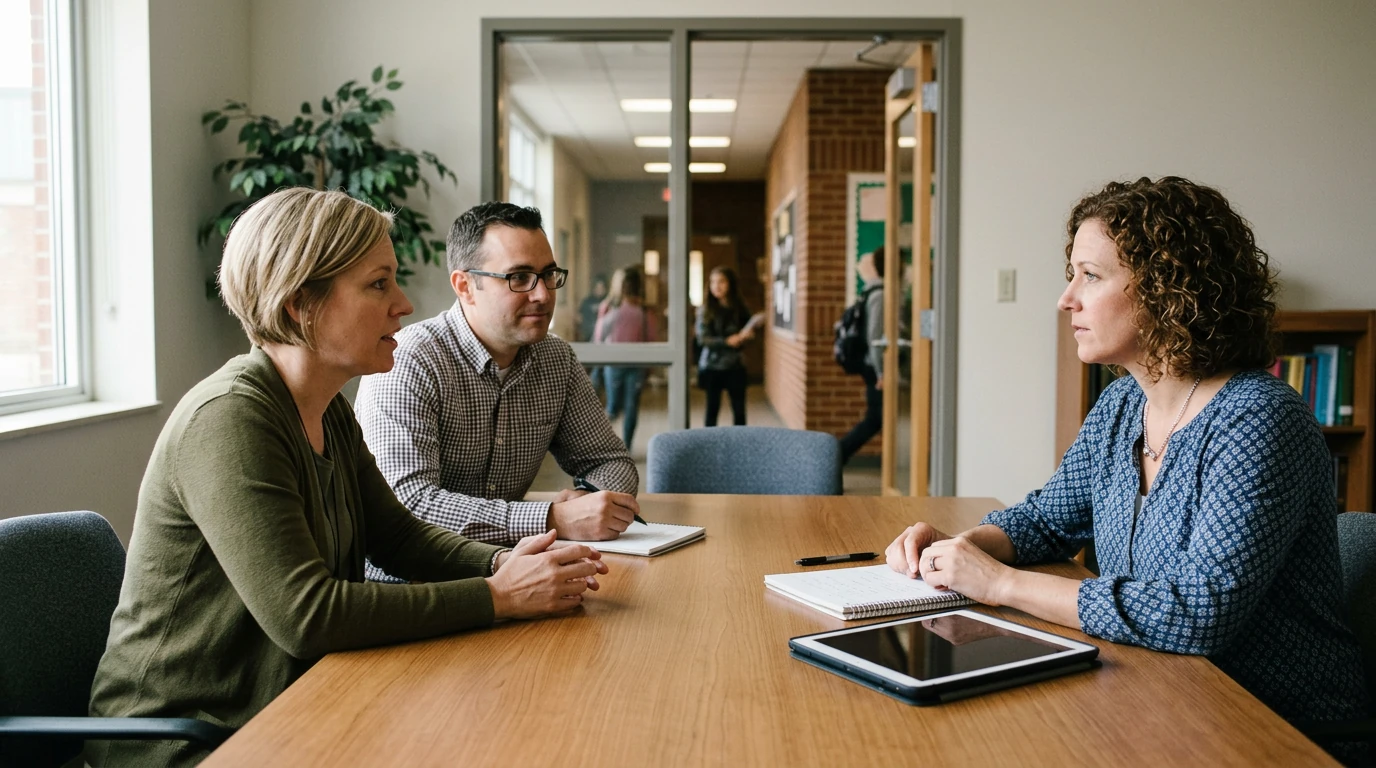
How to Talk with School About Bullying: A Parent’s Guide to Calm, Clear, Confident Meetings
When bullying shows up, parents often get pulled between urgency and uncertainty: What should be said? Who should be contacted? What if the school minimizes it—or labels a child as “part of the problem”? Our team put together this steady, practical approach to communicating with teachers and administrators so your concerns are taken seriously, plans are documented, and your child’s safety and learning stay at the center.
Start with clarity: define what’s happening and what needs to change
Before you contact the school, tighten your message. Clarity reduces debate, keeps meetings solution-focused, and helps staff act faster.
- Write a one-paragraph summary using plain facts. Include who was involved (if known), what happened, where it happened, and the impact on your child (sleep, attendance, anxiety, grades, avoiding spaces).
- Name the goal in observable terms. Think: “Adult supervision added in the hallway between 2:45–3:00,” “seating adjusted,” “no-contact plan,” or “check-ins with the counselor twice weekly.”
- Separate labels from behaviors. Instead of arguing whether it was “bullying,” describe repeated actions, power imbalance (age, popularity, group vs. individual), and harm.
- Elevate urgency for high-risk situations. If there is physical harm, threats, harassment based on identity, or online targeting connected to school, request an immediate safety plan.
- Keep your child’s voice present without putting them on trial. Bring a short statement about how it feels and what help they want at school (safe route, buddy system, identified adult).
Before the meeting: documents, timeline, and the right request
Preparation is what turns a tense conversation into an actionable plan. You’re not building a courtroom case—you’re building a shared, workable picture that the school can respond to.
- Create a timeline. Add dates, times, locations, and witnesses (if your child knows). Stick to what is known; mark unknowns as “reported by child.”
- Bring copies of relevant items. Screenshots, nurse notes, attendance changes, teacher messages, incident reports (if already filed).
- Ask in writing for a meeting with the right roles. Classroom teacher, counselor, assistant principal/principal, and a staff member responsible for student safety or discipline.
- Send an agenda ahead of time. Include concerns, desired outcomes, questions about supervision, reporting process, and follow-up timeline.
- Prepare a calm opening and a clear closing. Open with safety and learning; close with next steps, owners, and dates.
What to say (and how to say it) when emotions run high
Meetings go best when your words consistently point back to impact and next steps. If you feel yourself getting pulled into side arguments, return to your structure.
Conversation starters that move meetings forward
| Situation | Parent phrasing | What it asks the school to do |
|---|---|---|
| School minimizes the issue | “I hear that you haven’t seen it directly. Here is the documented timeline. What steps will you take this week to verify and prevent it?” | Acknowledge + require action and a timeframe |
| Unclear supervision | “Which adult is responsible for this area at this time? If no one is assigned, how can we assign coverage starting tomorrow?” | Name accountability and immediate changes |
| Retaliation fear | “My child is afraid reporting will make it worse. How will you protect them while you investigate?” | Safety planning and discreet monitoring |
| Online harassment tied to school | “These messages involve students and are affecting school attendance. Who coordinates the school response and what is the reporting path?” | Clarify jurisdiction and reporting |
| No follow-up plan | “Let’s confirm next steps: who will do what, by when, and how we’ll measure if it’s working.” | Written plan, owners, dates |
During the meeting: keep it student-centered, specific, and documented
After the meeting: follow-up that strengthens accountability
When to escalate: knowing the next rung on the ladder
For additional guidance and definitions, you can reference StopBullying.gov and the American Academy of Pediatrics’ bullying guidance.
A practical tool for parents who want calm confidence in tough school conversations
- How to Talk with School About Bullying | Parent Guide eBook for Confident School Meetings, Anti-Bullying Communication & Advocacy helps you prep meeting notes, choose language that stays firm and solution-focused, and send follow-up recaps that create accountability.
- 6FT x 4FT Outdoor Metal Storage Shed – Durable Steel Utility Tool House with Secure Lock, Brown for storing sports gear, bikes, and outdoor items so mornings are less chaotic.
- Smart Insurance for New Car Owners: A Guide to Understanding Insurance Basics & Choosing the Right Policy if you’re juggling a new driver in the family and want a clear way to make coverage decisions.
- Exaggerated Leaf Stud Earrings – Trendy Geometric Design as a small, confidence-boosting personal pick-me-up when you’re carrying a lot.
FAQ
What should a parent ask for in a school bullying meeting?
Ask for concrete, measurable steps like supervision changes, a documented safety plan, clear investigation steps, a communication plan, and a scheduled follow-up date. Make sure each step has an owner and a timeline in writing.
How do you document bullying for the school without sounding accusatory?
Use a neutral timeline with dates, times, locations, and exact quotes when you have them, plus screenshots or notes when relevant. Mark secondhand details as “reported by my child” and center the impact on your child and the protections needed at school.
What if the school says it can’t share consequences or details about other students?
Acknowledge privacy limits and pivot to what the school can share: your child’s safety plan, supervision adjustments, how reporting is handled, and how staff will monitor and prevent recurrence. Ask for those items to be documented with a follow-up date.















Leave a comment