Geocaching for Beginners: Smart Treasure Hunting Guide
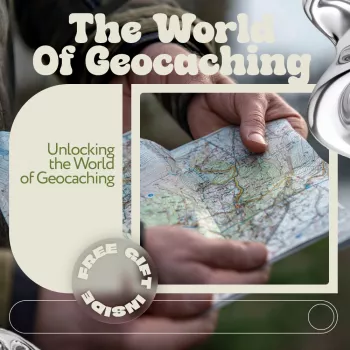
Unlocking the World of Geocaching: A Beginner-Friendly Guide to Smart Treasure Hunting Anywhere
Geocaching turns an ordinary walk into a real-world treasure hunt—using GPS coordinates to find hidden containers (“caches”) placed by other adventurers. It’s beginner-friendly, surprisingly affordable, and works in cities, parks, and on road trips. Once you learn a few basics—how coordinates behave, what “difficulty” really means, and how to search without tearing up a spot—your first find becomes the start of a hobby you can do almost anywhere. For more guidance, see A beginner’s guide to geocaching | UMN Extension.
Our team put together a simple path below so you can start confidently, stay respectful of the outdoors and other players, and build skills that scale from local park caches to travel-day micro-adventures. For further reading, see Happy Hobbies: Geocaching Adventures – Library Guides.
What geocaching is (and what it isn’t)
Geocaching is a GPS-based scavenger hunt where you navigate to posted coordinates, locate a hidden container, and log your find online. Most caches include a logbook to sign, and some include small trinkets for optional trades—if you take something, you “trade even or trade up.”
Cache listings typically share coordinates, a difficulty and terrain rating, a size hint, and a description that might include a story, a clever twist, or access notes. The important boundary: geocaching is not digging or damaging property. Smart treasure hunting is about navigation, observation, and good outdoor behavior—not speed, risk, or “winning.” For a solid official overview, you can also read the basics at Geocaching.com — Official Introduction to Geocaching.
Getting started: the easiest first find
You can begin with a reputable geocaching app on your phone or a dedicated GPS device. For your first outing, pick a beginner-friendly cache type and keep difficulty/terrain low so you’re learning the flow (navigate → search → sign → log) without frustration.
Choose a public, low-stakes location like a park, greenway, or city trail, and go during daylight for better visibility. Before you leave, read the cache page fully—parking notes, trailhead coordinates, hours, seasonal closures, and common search tips can save you time.
Try to hold off on the hint at first; systematic searching is part of the fun. Once you find it, sign the physical logbook (bring a pen) and then log your find digitally with a short note about your experience.
Beginner cache picks and what to expect
| Starter choice | Why it helps | What to watch for |
|---|---|---|
| Traditional cache | Straightforward: go to coordinates and search | GPS drift near buildings/trees; search patiently |
| Small or regular size | Easier to spot than micro caches | May be tucked under natural cover—replace exactly |
| Low difficulty / low terrain | Less frustration; safer routes | Stay on trails when required; avoid damaging shortcuts |
| Urban park cache | Convenient, quick practice runs | Be discreet around passersby to avoid drawing attention |
The basic kit: what to bring (and what to leave at home)
Your first geocaching kit can fit in a small pocket or daypack. Essentials are simple: phone/GPS, a pen, water, and a small bag for any trash you find (“cache in, trash out”). Helpful extras include tweezers for tiny rolled logs, a small flashlight for shaded hiding spots, and a portable charger for longer walks.
If you want to trade items, pack small, family-friendly trinkets that won’t leak or melt. Skip food and scented items—those can attract wildlife or create a mess. For safety, add sunscreen, insect repellent, a basic first-aid kit, and weather-appropriate layers.
Finding caches smarter: navigation habits that prevent frustration
The biggest beginner surprise is GPS drift. Accuracy changes with tree cover, tall buildings, and even how your phone can “see” satellites. If you want a quick, trustworthy explanation of why your arrow isn’t perfect, GPS.gov — Accuracy Basics is a helpful reference.
Cache etiquette and safety: keeping the game healthy
From local finds to global adventures: how skills scale up
A simple path to start today with the eBook guide
If you want a step-by-step companion that keeps the learning curve simple, our team recommends Unlocking the World of Geocaching | Beginner-Friendly eBook Guide Explaining what is geocaching, Global Adventures & Smart Treasure Hunting. It’s designed to help you understand common terms, choose the right first cache, and avoid the most common beginner missteps—especially around smart searching and respectful trail behavior.
To keep your outings smooth, it helps to build a repeatable checklist (pen, water, battery power, and a quick scan of access notes). And if you like staying organized at home—especially if you’re building a small outdoors kit—our team also keeps practical storage options in stock like the 6FT x 4FT Outdoor Metal Storage Shed – Durable Steel Utility Tool House with Secure Lock, Brown, which can help you keep gear in one dedicated place for grab-and-go days.
FAQ
Is geocaching safe for beginners and families?
Yes, it can be very safe when you start with daylight hunts, low terrain ratings, and locations with clear public access. Bring basic essentials, stay on permitted paths, and skip any cache that would require trespassing or risky climbing.
Do special devices matter, or is a phone enough for geocaching?
A smartphone is enough for most beginners, especially for park and urban caches. The biggest phone limitations are battery life and spotty coverage, so planning ahead and understanding that GPS accuracy can drift will make your searches smoother.
What should be done if a cache can’t be found?
Re-read the description and hint, widen your search radius to account for drift, and check recent logs for patterns like “harder than expected.” If you still can’t find it, avoid damaging the area, log a respectful DNF, and come back another day.















Leave a comment