Skincare Tools Mastery Bundle: Gua Sha, Rollers & Checklist
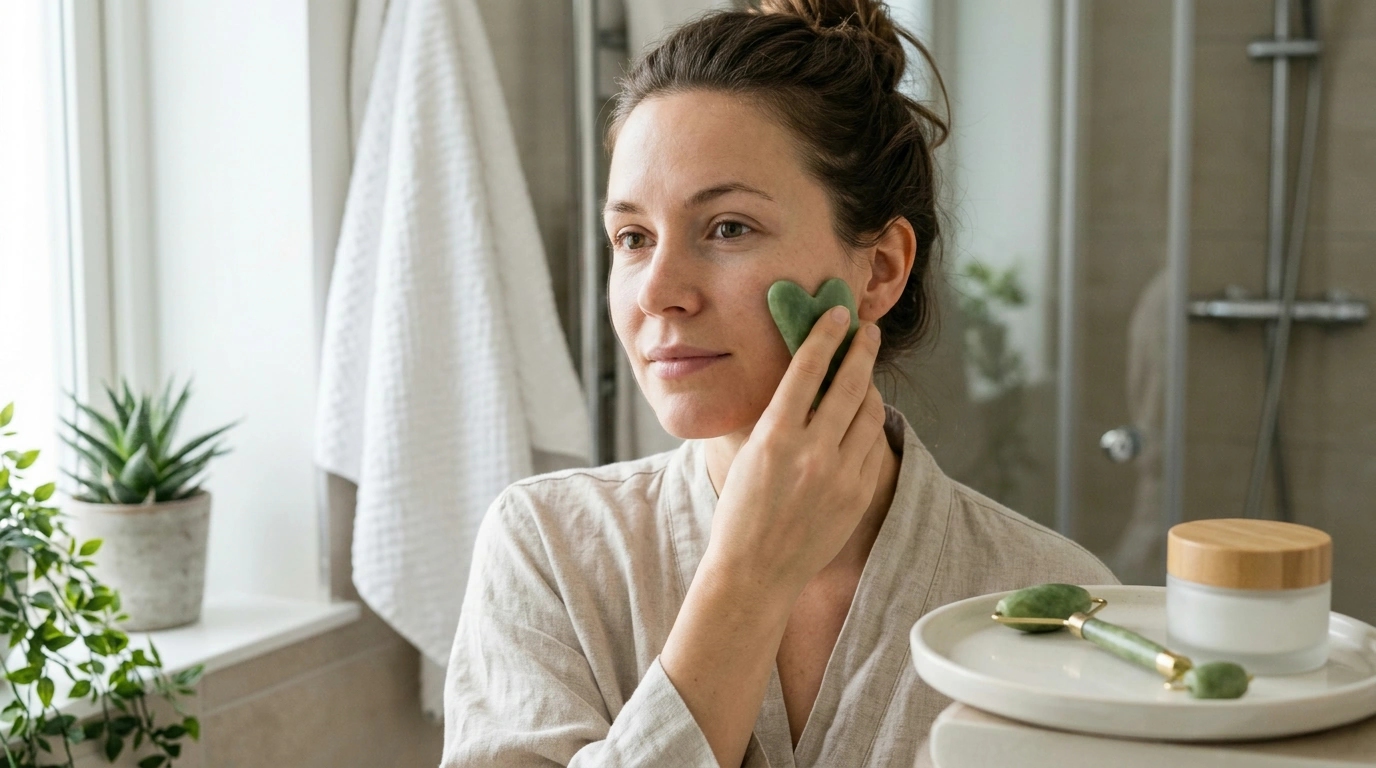
Skincare Tools Mastery Bundle: A Practical Toolkit for Glow, Firmness, and Smoother Texture
Skincare tools can elevate results when they’re chosen well, used correctly, and kept clean. A tool-based routine is less about “aggressive lifting” and more about smarter habits: gentle massage that helps temporary puffiness, better product spread, and a more consistent at-home ritual. When expectations are realistic—and technique stays light—tools can be a satisfying add-on to daily skincare fundamentals like hydration and sun protection.
What skincare tools can (and can’t) do
Most tools shine when they support comfort, consistency, and the look of freshness. They’re also easy to overdo, so the best results typically come from gentle pressure, regular use, and a routine that protects the skin barrier.
- Helpful for: temporary puffiness reduction, facial massage for relaxation, improving the look of dullness, encouraging consistent routine habits, and distributing products more evenly.
- Limited for: deep wrinkles, significant laxity, acne scarring, and pigmentation—these usually require targeted actives and/or professional treatments.
- Best results come from: light-to-medium pressure, patience, and pairing tools with compatible products (slip for massage tools; clean, dry skin for some devices).
For baseline skin health and prevention, evidence-based basics still matter most. The American Academy of Dermatology Association emphasizes daily skin care basics, and the U.S. Food & Drug Administration highlights sunscreen guidance that helps prevent future visible aging.
What’s inside the Skincare Tools Mastery Bundle (and how each piece fits a routine)
The Skincare Tools Mastery Bundle is designed to reduce trial-and-error. Instead of bouncing between random tutorials, the bundle organizes tool use into repeatable steps so you can stay consistent without pushing too hard or using too many tools at once.
- 5-in-1 guides: Structure tool use into repeatable steps, reducing guesswork and overuse.
- “Beauty tools worth buying”: Helps prioritize essentials first (face, body, cleansing, application tools) to avoid clutter purchases.
- Body gua sha guidance: Supports often-neglected areas (neck, shoulders, arms, stomach, thighs, calves) and emphasizes using adequate slip.
- Checklist format: Encourages consistency with quick daily steps plus longer weekly sessions.
- Glow-gear + anti-aging essentials: Focus on technique, pressure control, and pairing with hydration and sun protection to help protect results.
Tool categories and what they’re commonly used for
| Tool category | Primary use | When to use | Key safety note |
|---|---|---|---|
| Gua sha (face/body) | Massage, temporary puffiness reduction, relaxation, muscle tension relief | After cleansing with facial oil/serum or body oil | Use light-to-medium pressure; avoid broken skin and inflamed acne |
| Facial roller | Cooling, quick de-puffing, soothing | AM or after workouts; can be chilled | Clean after each use to reduce bacteria transfer |
| Cleansing tool (soft brush/silicone) | Even cleanse and gentle exfoliation support | PM a few times weekly based on sensitivity | Overuse can irritate the skin barrier |
| Spatula/applicator tool | Hygienic product application (masks, creams) | Anytime you scoop from jars | Disinfect regularly; don’t double-dip onto irritated skin |
| Body massage tool | Soreness relief and circulation-focused massage | After shower with lotion/oil | Avoid varicose veins or painful swelling unless cleared by a clinician |
Compressed daily checklist: a simple routine that’s hard to mess up
A tool routine works best when it’s short enough to repeat. Focus on frequency over intensity—light, consistent sessions tend to look better (and feel better) than occasional aggressive ones.
AM (3–5 minutes)
- Cleanse
- Hydrate
- Optional: quick roller or gentle massage (30–60 seconds per area)
- Sunscreen
PM (5–10 minutes)
- Cleanse
- Treatment (if used)
- Moisturize
- Tool step only if skin feels calm (skip if irritated)
Pressure should feel like a glide—not a scrape. If any stinging, heat, or persistent redness shows up, stop the tool step and pivot to barrier support (bland moisturizer, fewer actives) until the skin is comfortable again.
Body gua sha basics: technique, slip, and sensible expectations
Body tools are often where people press too hard, especially on thighs and calves. The goal is slow, steady massage with enough slip to protect the skin.
- Use enough slip: Body oil or lotion so the tool glides easily without tugging.
- Directional rule of thumb: Slow strokes toward nearby lymph node regions (neck, underarms, groin) without forceful scraping.
- Common areas: trapezius/neck (tension), arms (dryness/texture), abdomen (gentle relaxation), thighs/calves (post-workout soreness).
- Expect temporary changes: less puffiness, a “warmed” look, and better product spread—results depend on regularity and lifestyle factors.
- Skip over: bruises, rashes, sunburn, active eczema flares, or areas with sharp pain.
For a safety-minded overview of benefits and risks, the Cleveland Clinic’s gua sha guide is a helpful reference point.
Anti-aging support: pairing tools with the fundamentals that protect progress
Hygiene, storage, and replacement: the quiet factors that decide results
Common mistakes that lead to redness, breakouts, or zero payoff
Featured picks available now
- Skincare Tools Mastery Bundle | 5-in-1 Skincare Tools Guides
- Exaggerated Leaf Stud Earrings – Trendy Geometric Design
FAQ
How often should gua sha be used for the face and body?
For most skin types, face gua sha can be used about 3–5 times per week and body gua sha about 2–4 times per week. Keep pressure light, use plenty of slip, and scale back if skin gets reactive or tender.
Can skincare tools help with wrinkles and sagging?
They can support a temporarily fresher look (de-puffing and a mild “firmer” appearance from massage), but they won’t erase deep wrinkles or significantly lift laxity. For longer-term visible anti-aging, prioritize daily SPF, hydration, and proven actives like retinoids if tolerated.
What’s the safest way to clean and store skincare tools?
Wash non-porous tools after each use with mild soap and warm water, then dry completely. Disinfect weekly when appropriate, don’t share tools, and replace anything chipped or cracked to avoid irritation.















Leave a comment