How to Brush Your Dog’s Teeth for Fresh Breath
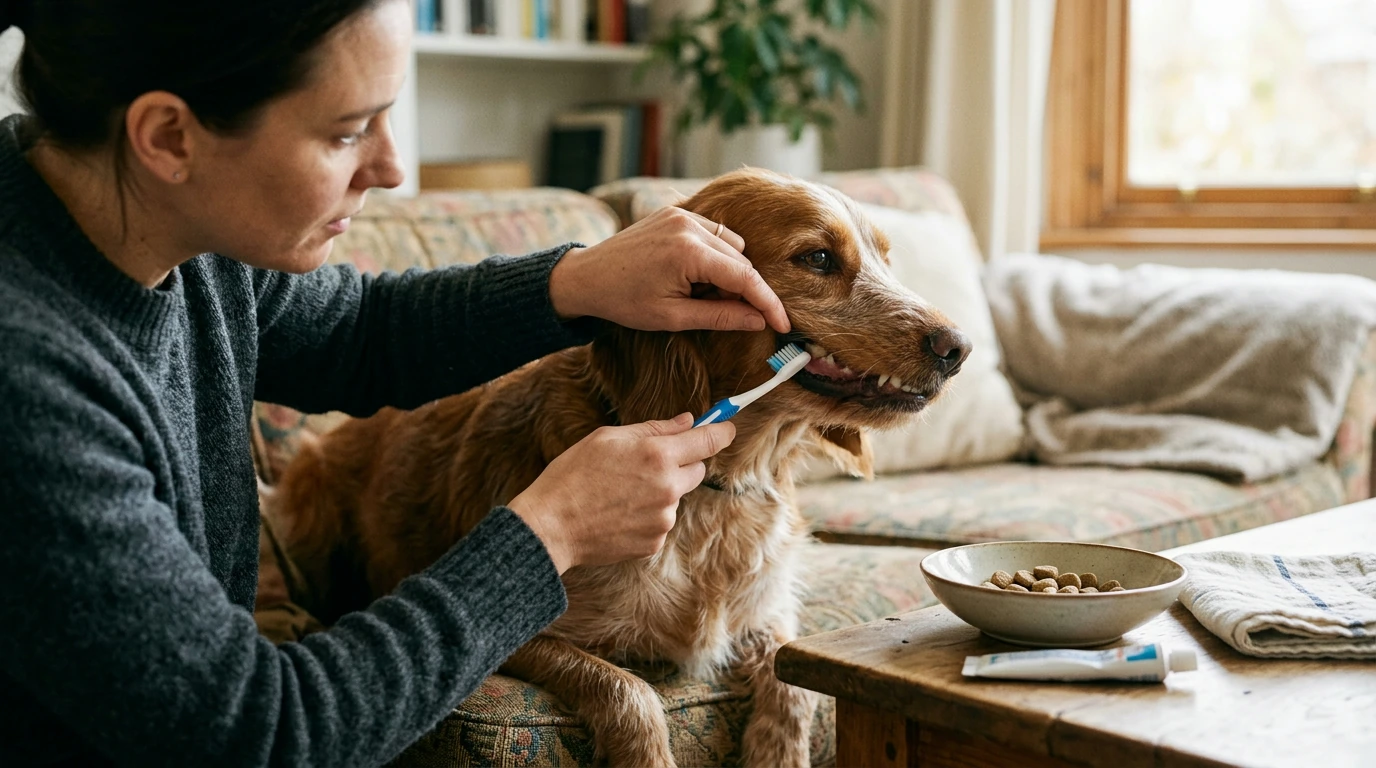
Brushing Your Dog’s Teeth: The Ultimate Guide to Healthy Smiles and Fresh Breath
Dental care is one of those small daily habits that can pay off in a big way: less bad breath, slower tartar buildup, and a healthier mouth as your dog ages. Brushing doesn’t have to be a wrestling match, either. With the right tools, a training-friendly approach, and realistic expectations, most dogs—puppies, adults, and seniors—can learn to tolerate (and sometimes even enjoy) toothbrushing. Below is a practical plan for getting started, staying consistent, and knowing when it’s time to schedule a veterinary dental check.
Why dental care matters beyond fresh breath
Plaque forms on teeth every day. If it isn’t removed, it can harden into tartar, which irritates the gums and can lead to periodontal disease. Dental disease is common and often progresses quietly—especially in dogs that keep eating despite discomfort.
- Plaque turns into tartar: Once tartar forms, brushing can’t “scrub it off” at home. Prevention becomes the goal.
- Oral pain can look subtle: Picky eating, dropping food, chewing on one side, pawing at the mouth, or suddenly avoiding toys can all be clues.
- Whole-body impact: In severe cases, oral bacteria and chronic inflammation may affect overall health—an important concern for older dogs.
- Best at-home step: Daily or near-daily brushing is the most effective way to reduce plaque buildup.
For more on why oral health matters, see the American Veterinary Medical Association’s guidance on pet dental care.
When to start and how often to brush
The earlier you start, the easier it tends to be. Puppies often accept mouth handling quickly when sessions are brief and upbeat. Adult dogs can learn too—it just takes a slower introduction and consistent rewards.
- Start young when possible: Gentle lip-lifting and quick “practice touches” build comfort.
- Adults can learn: Aim for calm repetition rather than perfect technique on day one.
- Ideal frequency: Daily brushing provides the most benefit, but several times per week can still noticeably improve breath and reduce plaque.
- Make it predictable: Brushing at the same time each day (after the last potty break, before bed, etc.) helps it become routine.
Brushing frequency and what to expect
| How often | Best for | Typical results over time |
|---|---|---|
| Daily | Dogs prone to tartar or bad breath; small breeds; seniors | Best plaque control and fresher breath; slows tartar the most |
| 3–4x/week | Most healthy adult dogs who tolerate brushing | Noticeable improvement in breath; moderate plaque control |
| 1–2x/week | Dogs still in training for brushing | Limited plaque control; helpful as a stepping stone to more frequent brushing |
Tools that make brushing easier
Choosing tools your dog will accept is half the battle. Comfort and consistency matter more than fancy gear.
- Toothbrush options: A soft-bristle dog toothbrush, a finger brush, or an angled brush can help you reach back molars.
- Use dog toothpaste only: Human toothpaste can contain ingredients that may be harmful if swallowed.
- Pick a flavor they like: Poultry, beef, and peanut butter flavors can improve cooperation.
- Have rewards ready: Tiny, low-calorie treats (or part of dinner kibble) help reinforce calm behavior.
If you’re browsing a structured, step-by-step reference to keep near your supplies, consider Brushing Your Dog’s Teeth: The Ultimate Guide to Healthy Smiles and Fresh Breath.
Step-by-step brushing routine (training-friendly)
The goal is to teach your dog that toothbrushing is safe, predictable, and short. Move forward only when your dog is relaxed at the current step.
- Step 1: Let your dog lick toothpaste from your finger, then reward.
- Step 2: Briefly touch the lips and lift the lip, then reward calm stillness.
- Step 3: Introduce the brush with a gentle touch—no scrubbing yet—then reward.
- Step 4: Brush the outer surfaces in small circles, focusing on the gumline where plaque gathers.
- Step 5: Gradually include back teeth and increase time to about 30–60 seconds per side.
Keep sessions short and end on a success. Two great reps that feel easy are better than one long rep that creates resistance.
Common challenges and quick fixes
Extra support: dental chews, diets, and rinses
- Dental chews: They can reduce plaque through gentle abrasion. Choose an appropriate size to reduce choking risk.
- Look for credible evaluation: When possible, pick products listed by the Veterinary Oral Health Council (VOHC).
- Dental diets: Some dogs benefit from diets designed to reduce plaque; this can be especially useful when brushing is limited.
- Water additives and oral gels: Often improve breath, but perform best alongside brushing, not instead of it.
- Avoid hard items: Cooked bones and very hard chews can fracture teeth.
For deeper clinical guidance, the American Animal Hospital Association provides professional resources through its dental care guidelines.
When to see a veterinarian
A simple weekly plan to build the habit
Recommended items from our shop
- Brushing Your Dog’s Teeth: The Ultimate Guide to Healthy Smiles and Fresh Breath
- Smart Insurance for New Car Owners: A Guide to Understanding Insurance Basics & Choosing the Right Policy
- Exaggerated Leaf Stud Earrings – Trendy Geometric Design
FAQ
Is it safe to use human toothpaste for dogs?
No. Use dog-specific toothpaste because many human toothpastes contain ingredients that can be harmful if swallowed.
How long should it take to brush a dog’s teeth?
Start with just a few seconds and build up gradually. A practical goal is about 30–60 seconds per side, focusing on the outer surfaces near the gumline.
What if my dog has a lot of tartar already?
Brushing helps prevent new buildup but won’t remove hardened tartar. A veterinary dental exam can determine whether professional cleaning is needed.















Leave a comment