First Friendship Kit: Calm, Safe Routines for Kids & Pets
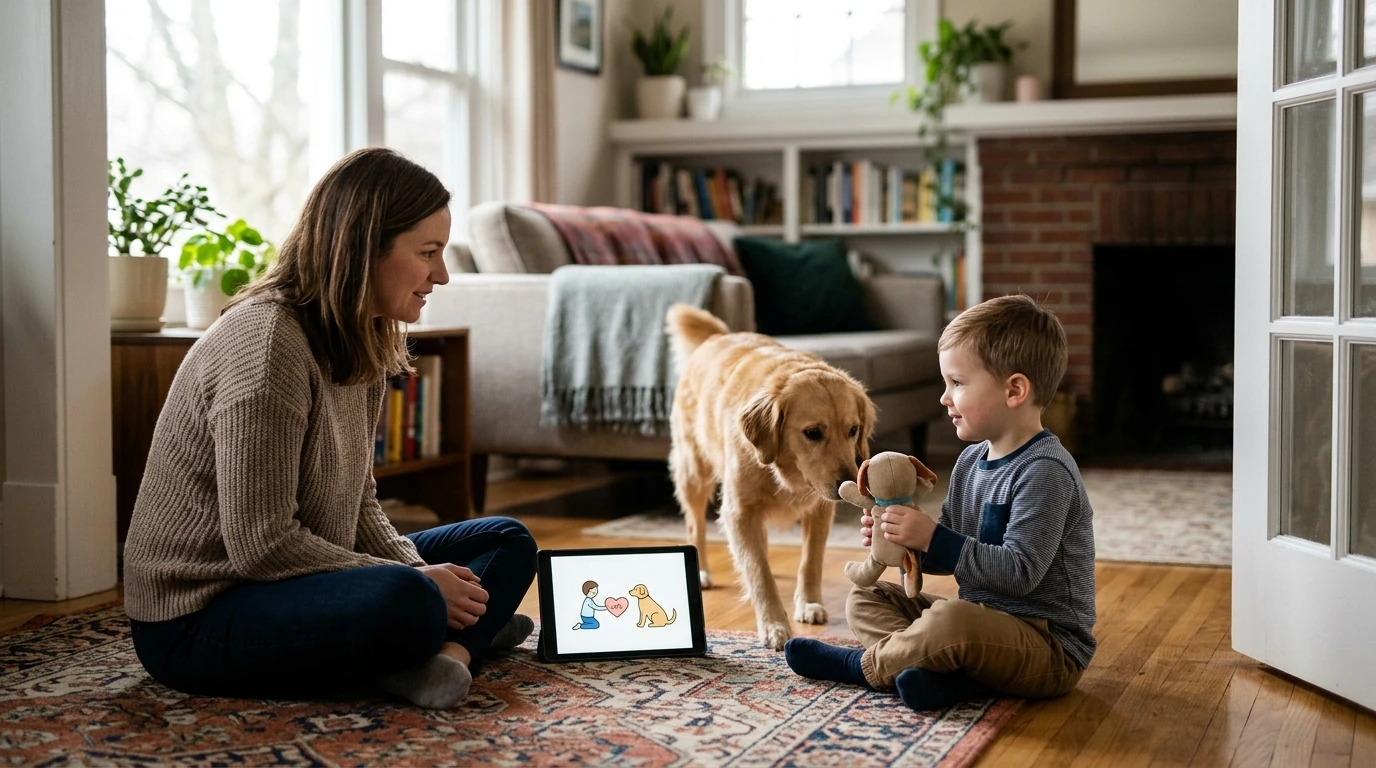
First Friendship Kit for Kids and Pets (Digital Bundle): A Gentle Start to Growing Up Together
A child’s first bond with a pet can become one of the most meaningful relationships in the home—when everyone learns the rules, routines, and respect that make pets feel safe. Our First Friendship Kit for Kids and Pets – 3-in-1 Digital Bundle is designed to help your family set clear expectations, teach kind handling, and build day-by-day confidence as kids and pets learn each other’s language.
When you replace “excited chaos” with predictable steps, kids feel proud of what they can do, and pets get the calm, reward-based introductions they need to settle in.
What this digital bundle is meant to do
Early days with a new pet (or a newly blended kid-and-pet household) often fall apart in the same moments: greetings at the door, hands reaching too fast, play that escalates, and pets losing rest time. Our team built this bundle around practical, repeatable routines that you can use in real life.
- Turn “excited chaos” into calm, repeatable steps for meeting, handling, feeding routines, and play.
- Give kids simple responsibilities that feel empowering while staying age-appropriate and adult-supervised.
- Help pets settle by keeping introductions predictable, low-pressure, and reward-based.
- Reduce common early problems: chasing, grabbing, loud face-to-face contact, rough play, and interrupted rest.
- Create a shared family plan so every caregiver responds the same way (especially during the first weeks).
For deeper background on safety and prevention, we also recommend reviewing the American Veterinary Medical Association (AVMA) dog bite prevention guidance and the CDC Healthy Pets, Healthy People resources.
What “3-in-1” looks like for a family (without overwhelm)
“More info” doesn’t help if it’s not usable during the moments that matter. The 3-in-1 format is meant to keep everyone aligned while staying simple enough to follow on a busy weekday.
- A kid-friendly learning piece: simple language and repeatable reminders that make “pet rules” stick.
- A parent/caregiver guide: quick checkpoints for supervision, boundaries, and how to progress safely.
- An activity component: routines, prompts, and practice moments that turn good behavior into habit.
- Digital convenience: keep it on a tablet/phone for quick reference and print pages as needed for the fridge or a responsibility chart.
Common family goals and how the kit supports them
| Family goal | What to set up | What kids practice | What adults supervise |
|---|---|---|---|
| Calm greetings | A “pause spot” near the entry or pet bed | Hands at sides, quiet voice, wait for permission | Leash/door control, reward calm pet behavior |
| Gentle touch | A rule: pet chooses contact first | One-hand petting on safe areas, short sessions | Stop sessions if pet moves away or stiffens |
| Respecting rest | A no-go zone around bed/crate | “Let sleeping pets sleep” reminders | Enforce boundaries; redirect kids to another activity |
| Safe play | Toy bin and approved toy list | Fetch/tug rules, no chasing, no teasing | End play when arousal rises; trade for treats/toys |
| Shared responsibility | A simple weekly chart | Water checks, measured food with adult help, tidy toy bin | Portion control, hygiene, and consistent timing |
A simple first-week plan: building trust one routine at a time
Your first week is about setting patterns that stick. Short sessions, clear endings, and consistent phrases create “muscle memory” for kids and reduce pressure on pets.
- Day 1–2: Focus on calm observation—kids learn what “relaxed” looks like (soft body, loose tail, normal breathing) and what means “give space.”
- Day 3–4: Add short, structured interactions—brief petting with an adult guiding hand placement and duration.
- Day 5–7: Introduce kid jobs—small, safe tasks like refilling water with help or putting toys away after play.
- Keep sessions short and end early: stopping before a pet gets overwhelmed is one of the fastest ways to build trust.
- Use consistent family phrases (examples: “pause,” “gentle hands,” “give space,” “toy, not body”) so kids remember what to do in the moment.
House rules that protect both kids and pets
Our team recommends treating “house rules” like seatbelts: they’re not a punishment, they’re a default. Consistency is what keeps both kids and pets relaxed.
If you want more behavior basics for common challenges, the ASPCA behavior and training resources are a helpful reference.
Making a digital bundle work in real life
Who this kit fits best
More in-stock picks from our team
- First Friendship Kit for Kids and Pets – 3-in-1 Digital Bundle
- Smart Insurance for New Car Owners: A Guide to Understanding Insurance Basics & Choosing the Right Policy
FAQ
Is this meant for dogs only, or can it help with cats too?
It can help with cats too, because calm greetings, consent-based touch, rest-zone boundaries, and supervised play apply across species. Your household will still want to follow species-appropriate handling and watch for different comfort signals.
What ages is it best for?
It’s designed for kid-friendly learning with adult supervision. Younger kids do best with a few simple rules and very short sessions, while older kids can take on more structured responsibilities—still with adults leading safety decisions.
How does a digital bundle work for printing and sharing at home?
You can view it on your phone or tablet for quick refreshers, then print the pages you’ll actually use day-to-day. Many families start by printing a house rules sheet, a responsibility chart, and an introduction checklist for easy visibility.
















Leave a comment