Debt Stress Relief Toolkit: 4 eBooks + 15-Min Checklist

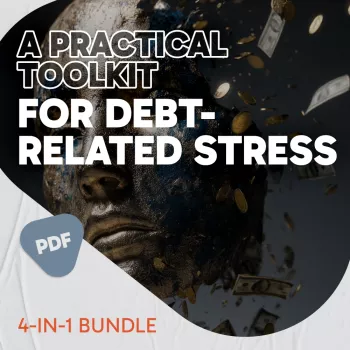
A Practical Toolkit for Debt-Related Stress: 4 eBooks + A Checklist to Calm the Noise and Take the Next Step
Debt stress has a way of showing up everywhere—sleep, focus, relationships, even simple errands. Our digital toolkit is built for real life: a set of four focused eBooks paired with a simple checklist so the next move is clear, even on days when motivation is low. The goal isn’t perfection; it’s steadier ground, small wins, and a plan that reduces overwhelm.
What debt-related stress looks like (and why it feels so heavy)
If your brain feels like it’s running too many tabs at once, you’re not imagining it. Debt creates a constant mental load: due dates, balances, calls, letters, late-fee threats, and “what if” scenarios that multiply at 2 a.m.
- Mental load: constant “open tabs” in your head—due dates, balances, calls, and worst-case math.
- Avoidance loop: stress makes it tempting to ignore statements, which creates more surprises (and more stress).
- Decision fatigue: snowball vs. avalanche, consolidation, side income, budgeting apps—too many choices can freeze progress.
- Shame spiral: comparing yourself to others or blaming yourself makes follow-through harder, not easier.
- Short-term pressure vs. long-term goals: urgent bills crowd out planning, even when planning would help most.
One helpful reframe: your job isn’t to solve everything today. Your job is to create a repeatable “next step” pathway for when stress spikes.
What’s inside the 4-in-1 toolkit (and how each piece helps)
Our team built this as a practical, low-friction set you can use in short sessions—because attention span often shrinks under stress. You get four bite-sized eBooks plus a dedicated checklist that turns “I need to fix this” into doable actions.
- Four focused eBooks: designed for short reads and quick resets when you don’t have the bandwidth for a full financial deep-dive.
- A step-by-step checklist: captures the chaos, sorts priorities, and helps you pick one stabilizing action at a time.
- Emotional + practical structure: helps calm the panic while still moving money tasks forward.
- Flexible entry points: start with the checklist when momentum is low, or an eBook when clarity is the bigger issue.
- Method-agnostic: works alongside snowball, avalanche, or hybrid payoff plans since the focus is consistency and reduced overwhelm.
Quick guide: match the toolkit pieces to the moment you’re in
| If today feels like… | Start with… | Why it helps | Next step |
|---|---|---|---|
| Total overwhelm and racing thoughts | Checklist (first 5–10 minutes) | Reduces mental load by capturing tasks and putting them in order | Pick one “today task” and stop there |
| Guilt, shame, or dread | An eBook section on stress + self-talk reset | Helps interrupt the shame spiral that blocks action | Move to one small financial admin task |
| Confusion about where to begin | eBook overview + checklist | Creates a simple sequence so decisions aren’t made under pressure | List debts, due dates, minimums, and priority bills |
| Motivation dips after a few days | Checklist review | Makes progress visible and prevents all-or-nothing thinking | Schedule a weekly 15-minute check-in |
| Calls/letters and urgency | Checklist + action steps | Keeps responses organized and less emotional | Document, prioritize, and plan the next call or payment |
If you’re ready to start, you can find the full set here: A Practical Toolkit for Debt-Related Stress | 4-in-1 eBooks & Checklist for Debt and Stress Relief.
A calm, practical way to use the checklist (15 minutes at a time)
The checklist works best when you treat it like a steadying routine instead of a “fix my life in one weekend” project. Here’s a simple cadence you can repeat:
- Minute 1–3: brain dump—write every debt-related thought (balances, calls, due dates, fears).
- Minute 4–6: sort into “must handle this week” vs. “can wait,” so urgency is real—not imagined.
- Minute 7–10: pick one stabilizer action (pay a minimum, set a reminder, pull statements, confirm due dates, pause nonessential spending).
- Minute 11–15: set a tiny appointment—schedule the next check-in, even if it’s only 10 minutes.
- Keep the bar low on purpose: consistency beats intensity when stress is high.
If you want a steady “admin day” rhythm, pair your checklist session with a calendar reminder and one dedicated spot for notes (a notebook or a single digital doc).
What this toolkit supports (and what it doesn’t replace)
We designed this to support the real friction points people hit—overwhelm, avoidance, and the emotional spike that makes simple tasks feel impossible.
For reputable consumer guidance, you can also reference the Consumer Financial Protection Bureau (CFPB) for financial well-being basics, the Federal Trade Commission (FTC) for debt collection rights, and the American Psychological Association (APA) for stress coping resources.
Gentle momentum: a 7-day starter plan that doesn’t burn you out
When debt stress spikes: quick grounding + next-action scripts
Related resources from our store
- A Practical Toolkit for Debt-Related Stress | 4-in-1 eBooks & Checklist for Debt and Stress Relief
- Smart Insurance for New Car Owners: A Guide to Understanding Insurance Basics & Choosing the Right Policy
FAQ
Is this toolkit only for people who are already behind on payments?
No—our toolkit can help whether you’re behind, barely current, or rebuilding after past debt. It’s designed to reduce overwhelm, prevent avoidance, and keep your next steps organized before the situation escalates.
How fast will this reduce debt stress?
Many people feel some relief after the first short organizing session because the “unknowns” start becoming a list. Steadier improvement usually comes from weekly use—small wins like fewer surprises and clearer next actions add up.
Does this replace a financial counselor or therapist?
No—this is a self-guided toolkit that complements professional help. If your situation involves legal risk, complex negotiations, or significant anxiety or depression, qualified support can be an important part of your plan.














Leave a comment