Cat Name Checklist: Popular & Unique Picks That Fit
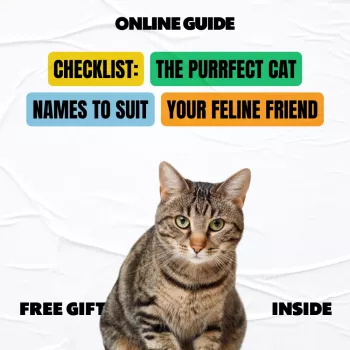
Checklist: The Purrfect Cat Names to Suit Your Feline Friend (Most Popular & Unique Picks)
Choosing a cat name is one of the first ways you bond with a new companion—and one of the easiest places to overthink. The best names feel natural to say, fit your cat’s vibe, and hold up for years (from kitten zoomies to senior snuggles). Our team uses a simple, feel-good process: pick a style, shortlist favorites, test them in real life, and land on a name that truly sticks.
Start with the 5-second name test
Before you fall in love with a name on paper, run it through a quick reality check.
- Say the name out loud three times in a row; if it feels clunky, it will be clunky at 6 a.m.
- Keep it 1–2 syllables when possible (long names can become nicknames anyway).
- Choose clear sounds (S, M, N, K, T) that are easy to hear across a room.
- Avoid names that sound like common cues (for example, “Kit” vs. “Sit”).
- Make sure everyone in the household can pronounce it the same way.
Match the name to your cat’s “everyday personality”
If you’re torn between a few options, your cat’s daily habits can make the decision obvious.
- Observer: calm, watchful, slow blinks, prefers perches (names with gentle sounds often fit).
- Comedian: playful chaos, pounces on everything, steals socks (short, punchy names land well).
- Royal: confident stride, dramatic stretches, expects service (classic or elegant names shine).
- Shadow: follows room to room, cuddly, loyal (comfort names and nicknames become natural).
- Explorer: bold, curious, door-dasher energy (adventure or nature-inspired names work).
Popular cat-name styles (and how to pick one fast)
Choosing a style first is the fastest way to stop endless scrolling and start building a shortlist you’ll actually use.
- Classic & timeless: easy for vets, sitters, and family to remember; tends to age well.
- Cute & cozy: food, sweets, and soft-sounding names for cuddle-first cats.
- Nature-inspired: plants, weather, stones, and sky themes—great for calm or outdoorsy vibes.
- Myth, books, and movies: instantly memorable; best when it’s simple to spell and say.
- Color and pattern: works well if the coat is distinctive, but keep it flexible for personality growth.
Name styles, examples, and what they suit
| Style | Examples | Best for | Quick tip |
|---|---|---|---|
| Classic | Luna, Oliver, Milo, Bella | Any cat; multi-pet homes | Choose a name you won’t mind repeating daily |
| Cute/Food | Mochi, Biscuit, Noodle, Peaches | Affectionate, snuggly cats | Test the “calling at the door” feel—does it still sound good? |
| Nature | Willow, Storm, Ivy, Jasper | Calm, watchful, outdoorsy vibes | Pair with coat color subtly (e.g., Storm for gray, but not required) |
| Myth/Story | Athena, Loki, Simba, Zelda | Big personalities; bold kittens | Avoid complicated spellings if others will use the name often |
| Color/Pattern | Onyx, Snow, Ginger, Marble | Cats with striking coats | Make sure it still fits if the personality surprises you |
Most popular vs. unique: choosing what feels right
- Popular names are popular for a reason: they’re easy to say, easy to remember, and rarely feel awkward later.
- Unique names stand out at the vet and feel personal—especially if the name has meaning (a place, a memory, a favorite hobby).
- A simple way to balance both: pick a popular base name and add a twist (for example, “Luna” → “Luna Bean”).
- Consider future-proofing: a tiny kitten may become a very serious adult cat—choose something that can grow with them.
The shortlist method: narrow to 3 names without regret
When you have too many favorites, structure makes it easy.
- Pick 10 candidates from one or two styles (classic + nature, cute + myth, etc.).
- Cross out any name that: is hard to call, sounds like another pet’s name, or feels awkward to say in public.
- Keep the best 3 and try each for a day using the same tone you’ll use long-term.
- Watch for natural nicknames that appear—if a nickname feels better than the full name, make that the official one.
- Choose the name that feels most effortless (the one said most often without forcing it).
Teach the name gently (so it sticks)
- Say the name once, then reward with a treat, petting, or play—keep it positive.
- Use the same tone and volume; cats learn patterns quickly.
- Practice in short moments: 10–20 seconds, a few times a day.
- Avoid using the name only for “no” moments; keep it associated with good things.
- If your cat ignores it at first, that’s normal—consistency matters more than repetition.
If you want a deeper baseline on feline behavior and care routines that support positive training, we like starting with trusted references such as Cornell’s Feline Health Center, the ASPCA cat care guide, and the Humane Society cat care resources.
Use our printable checklist to make the decision easy
Checklist: The Purrfect Cat Names to Suit Your Feline Friend – Most Popular & Unique Cat Names
More from our shop
- Smart Insurance for New Car Owners: A Guide to Understanding Insurance Basics & Choosing the Right Policy
- Exaggerated Leaf Stud Earrings – Trendy Geometric Design
FAQ
How long should it take to choose a cat name?
Give it a few days if you need to; test a shortlist of three names during real moments like meals, play, and calling from another room. Choose the one that feels easiest to say and gets the most consistent attention from your cat.
Can a cat learn a new name after adoption?
Yes—pair the name with positive rewards like treats, play, or affection. Keep practice short and consistent, and don’t let the name become something you only say during corrections.
What if two family members prefer different names?
Pick one official name for records and agree on a shared nickname everyone will actually use. If you’re still split, vote from a final shortlist and commit for a week so your cat gets consistent repetition.
















Leave a comment