Build Your Child’s Confidence: Simple Daily Parent Tools
Helping Your Child Shine: A Practical Confidence-Building Guide for Everyday Parenting
Confidence isn’t something kids are simply born with or without—it’s something that grows when they feel safe, capable, and seen. Our team created “Helping Your Child Shine” to fit real family life: rushed school mornings, big feelings after a tough day, first-time activities, and all the tiny moments where your words and boundaries matter most. The goal is simple and steady: help your child build courage, bounce back from mistakes, and develop that grounded sense of “I can try.”
What confidence looks like in daily life (and what it doesn’t)
In real households, confidence rarely looks like nonstop boldness. More often, it looks like willingness—trying even while feeling nervous.
- Confidence often shows up as “I’ll give it a shot,” not constant success. Your child can be confident and still feel butterflies.
- A confident child can say, “This is hard,” without spiraling into “I can’t.” Your calm problem-solving is the template they borrow.
- Over-praise and constant rescuing can backfire. Confidence grows when kids practice skills inside supportive boundaries.
- Healthy confidence includes empathy and respect. Kids can feel proud without needing to be “better than” someone else.
If you want a deeper foundation on resilience, the American Psychological Association’s parent guide is a solid resource: American Psychological Association – Building resilience in children and teens.
What’s inside “Helping Your Child Shine” (downloadable and action-focused)
This guide is designed so you can pick one tool, use it immediately, and come back to it again and again as your child grows. It’s not a complicated program or a long-prep plan.
- Step-by-step strategies that fit into normal routines (before school, after homework, bedtime wind-down).
- Confidence-building language prompts for key moments: before a test, after a mistake, during frustration.
- Support for handling setbacks without shame by normalizing effort, learning, and “not yet.”
- Simple activities that build independence and competence at home and in school-related situations.
- A parent-friendly structure: choose one tool, practice it, then build from there.
Download our confidence guide
If you want a practical, ready-to-use resource, you can start here: Helping Your Child Shine – A Practical Guide on how to help your child build confidence | Parenting Download, Confidence-Building Guide for Kids.
The core confidence habits to practice at home
Confidence grows best through repeatable, ordinary practice—tiny reps that add up. These are the habits families come back to when confidence dips.
- Name the effort, not only the outcome: highlight strategies (“You kept trying different ways”) instead of labels (“You’re so smart”).
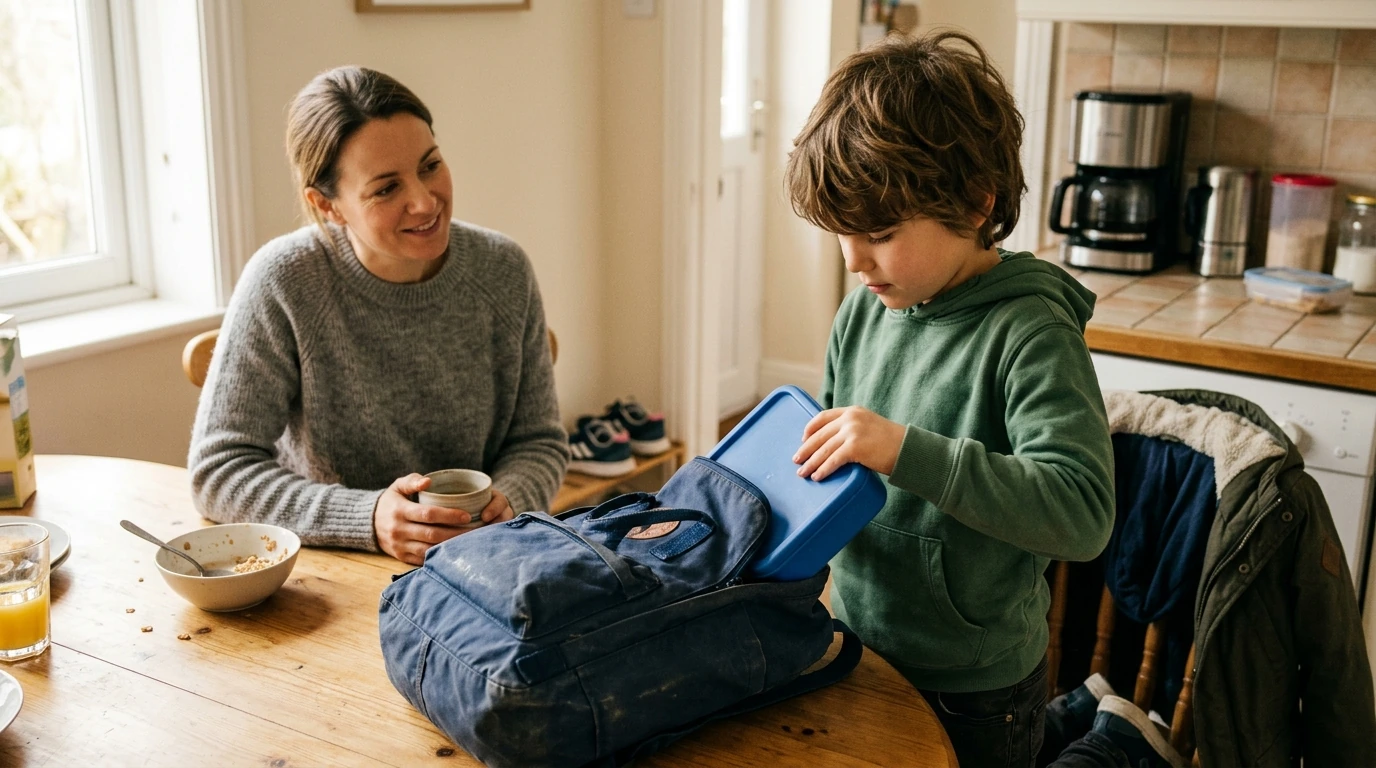
- Let kids do age-appropriate hard things: chores, packing a bag, ordering at a counter. Responsibility builds real capability.
- Create predictable routines: stability lowers stress, making healthy risks feel safer.
- Teach “next step” thinking: break big tasks into one doable step at a time.
- Model self-talk: kids borrow adult language. Let them hear you say, “I can figure this out,” when you make mistakes.
For younger kids, the CDC’s parenting resources can help you pair structure with warm boundaries: CDC – Essentials for Parenting.
Confidence-friendly communication: what to say in key moments
When emotions run high, kids don’t just listen to what you say—they absorb how you say it. The goal is a steady message: feelings are okay, effort matters, and there’s a next step.
| Moment | Instead of… | Try… |
|---|---|---|
| Afraid to start | “It’s easy—just do it.” | “It’s okay to feel unsure. What’s the first small step?” |
| Made a mistake | “How could you do that?” | “Mistakes happen. What did you learn from this?” |
| Wants to quit | “Don’t be a quitter.” | “Let’s take a short break. Do you want to try one more time or change the plan?” |
| Seeks constant reassurance | “You’re fine, stop worrying.” | “I hear you. What do you think your next step should be?” |
| Comparing to others | “You’re better than them.” | “Everyone learns differently. Let’s track your progress.” |
Helping kids build confidence at school and with peers
Confidence shows up socially, too—raising a hand, joining a group, asking for help, repairing after conflict. You can coach these skills without scripting your child’s personality.
HealthyChildren.org (from the American Academy of Pediatrics) is another strong, practical resource for resilience and emotional growth: American Academy of Pediatrics – HealthyChildren.org.
A simple weekly rhythm for steady confidence growth
When to seek extra support (and why it’s still confidence-building)
More practical guides from our store
- Helping Your Child Shine – A Practical Guide on how to help your child build confidence | Parenting Download, Confidence-Building Guide for Kids
- Smart Insurance for New Car Owners: A Guide to Understanding Insurance Basics & Choosing the Right Policy
FAQ
What age is this confidence-building guide best for?
It’s designed for kids with parent-led support, and you can adjust the tools to your child’s stage. For younger children, you’ll use simpler wording and shorter practice; for older kids, you can add more reflection and “plan/try/adjust” ownership.
Will this help if my child is shy or anxious?
Yes—many strategies focus on gentle, gradual practice, coping skills, and supportive language that reduces pressure. If anxiety is persistent or strongly interferes with daily life, pairing these tools with professional support can help even more.
How quickly can families expect to see changes in confidence?
Small shifts—like starting a task with less arguing or recovering faster after a mistake—can show up within days when you practice consistently. Deeper resilience usually builds over weeks, especially when you track effort and brave attempts rather than waiting for “perfect” performance.
















Leave a comment