Cake Decorating Basics: Smooth Frosting, Piping & Layouts
From Simple Cakes to Stunning Creations: Cake Decorating Basics for Beautiful Homemade Designs
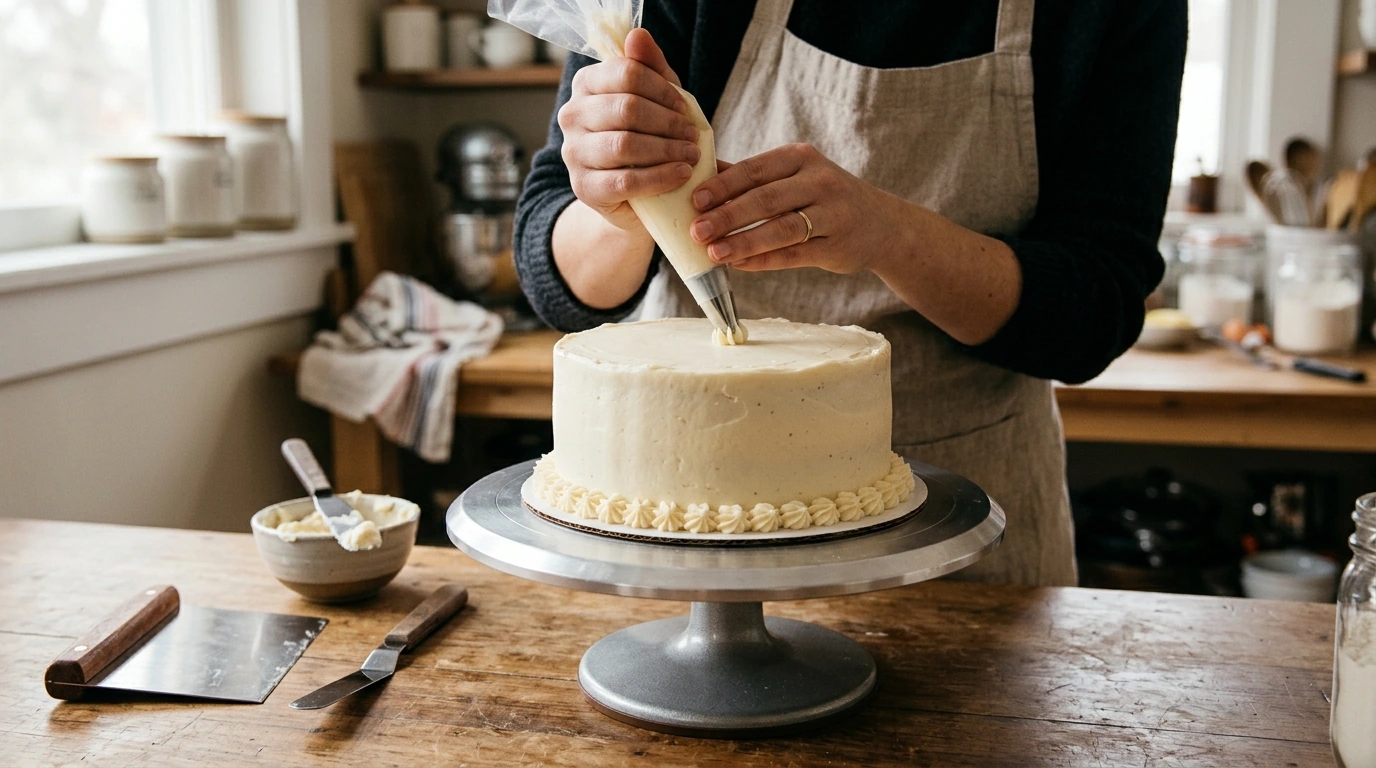
Cake decorating doesn’t have to start with fancy tools or intimidating techniques. With a few core skills—smooth frosting, simple piping, clean borders, and confident finishing touches—your everyday bakes can look celebration-ready. Our team put this beginner-friendly roadmap together to help you build “wow” results fast, while keeping mess low and confidence high. For more guidance, see 7 Cake Decorating Techniques Every Pastry Chef Needs to ….
Start with the right foundation (it matters more than the sprinkles)
A clean-looking cake almost always starts before frosting ever hits the surface. When you choose a stable cake style and prep it well, you’ll spend less time fighting crumbs, sliding layers, and wobbly stacks. For further reading, see How to Decorate a Cake (For Beginners).
- Choose a sturdy cake for practice: Butter-based vanilla/yellow cake, classic chocolate (not ultra-fudgy), or a denser vanilla sponge holds shape better than very airy cakes.
- Level, fill, and chill: Trim domes for stability, spread filling evenly, then chill 20–30 minutes to set the layers before your final coat.
- Use a cake board: Add a tiny smear of frosting underneath to “glue” the cake down so it doesn’t skid while you smooth.
- Crumb coat first: A thin, semi-transparent layer traps crumbs so your final coat stays clean and calm.
- Chill between steps: Cold cake + slightly cool frosting = sharper edges and fewer accidental dents.
| Cake type | Why it’s beginner-friendly | Best decoration styles |
|---|---|---|
| Butter-based vanilla or yellow cake | Stable layers and easy leveling | Smooth buttercream, borders, simple flowers |
| Chocolate cake (not ultra-fudgy) | Forgiving color hides small imperfections | Drips, rosettes, textured finishes |
| Carrot or spice cake | Moist but sturdy with mix-ins | Naked cakes, rustic swirls, simple piping |
| Sheet cake | No stacking pressure; big decorating surface | Borders, writing, pattern piping, stencils |
Frosting basics: buttercream, consistency, and smooth finishes
If you master one frosting and learn to adjust its consistency, you’ll instantly feel more in control.
- Pick one style first: American buttercream is the easiest for piping and quick practice. Swiss or Italian meringue buttercream smooths beautifully too, but it’s more technique-forward.
- Dial in consistency: Thicker frosting holds borders and shells. Slightly looser frosting smooths more easily for your final coat. Thicken with powdered sugar; loosen with small splashes of milk or cream.
- Smooth the sides with a straight tool: Keep a bench scraper (or straight spatula) vertical, rotate the cake, and let the tool do the work.
- Smooth the top last: Pull frosting from the edge toward the center, then refine with gentle passes.
- Wipe tools often: Clean passes make crisp edges; dirty tools smear.
For more baking and frosting fundamentals, resources like King Arthur Baking’s learning library are a solid reference point when you want extra practice ideas.
Piping made simple: 5 starter tips and the most useful patterns
Piping gets easier when you focus on pressure control first. Speed comes later.
- Pressure, then motion: Squeeze steadily to start, then move your hand once the flow is even.
- Practice on parchment: Pipe dots, shells, and rosettes in rows; scrape back into the bowl to reuse while you learn.
- Start with a small tip set: Round (dots/writing), star (shells/rosettes), and a petal tip (ruffles) cover a lot of designs.
- Beginner wins that look advanced: Rosette swirls, shell borders, alternating dots, and quick leaf accents.
- Fix mistakes cleanly: Chill the cake for 10 minutes, lift off messy piping with a toothpick, then re-pipe.
Decorating layouts that always look intentional
Even simple piping looks elevated when your layout has a plan. You don’t need more decorations—you need a clearer hierarchy.
Simple upgrades that make homemade cakes look bakery-finished
A beginner practice plan: three cakes that build skills fast
When a step-by-step guide helps most
For a skill-first approach you can follow at home, we recommend our in-stock guide: From Simple Cakes to Stunning Creations | A Beginner-Friendly Guide to Cake Decorating Basics & Beautiful Homemade Designs. If you like learning by repeating a small set of core techniques until they look polished, this is designed for you.
More from our shop
- Smart Insurance for New Car Owners: A Guide to Understanding Insurance Basics & Choosing the Right Policy
- Exaggerated Leaf Stud Earrings – Trendy Geometric Design
Make-ahead note for food safety
Decorated cakes are often made ahead, but storage depends on what’s inside. When in doubt, keep dairy-based fillings and frostings refrigerated and follow safe chilling practices described by the USDA Food Safety and Inspection Service.
FAQ
What frosting is easiest for beginners to decorate with?
American buttercream is usually the easiest starting point because it pipes well and you can adjust it quickly: add powdered sugar to thicken or a small splash of cream to loosen. Chilling the cake between steps also helps your piping stay clean and defined.
How do you get smooth sides and sharper edges without special equipment?
Use a crumb coat and chill first, then smooth with a straight spatula or a bench scraper substitute, wiping the tool clean between passes. For a sharper top edge, chill again and lightly refine the rim with a warm spatula.
How far ahead can a decorated cake be made?
For buttercream-decorated cakes, you can typically decorate 1–2 days ahead and refrigerate it covered, then bring it closer to room temperature before serving. If your cake has perishable fillings (like cream cheese or custard), keep it refrigerated and follow standard dairy food-safety timing.















Leave a comment