Pet Social Behavior Basics: Cues, Calm Greetings & Skills
Understanding Pet Social Behavior Basics: the skills that make everyday life easier
Social behavior isn’t a “nice-to-have” skill—it’s the foundation for calmer walks, smoother vet visits, better play, and safer introductions at home and in public. Pets communicate constantly through posture, movement, facial expressions, and distance, and small misunderstandings can quickly turn into barking, hiding, lunging, or snapping.
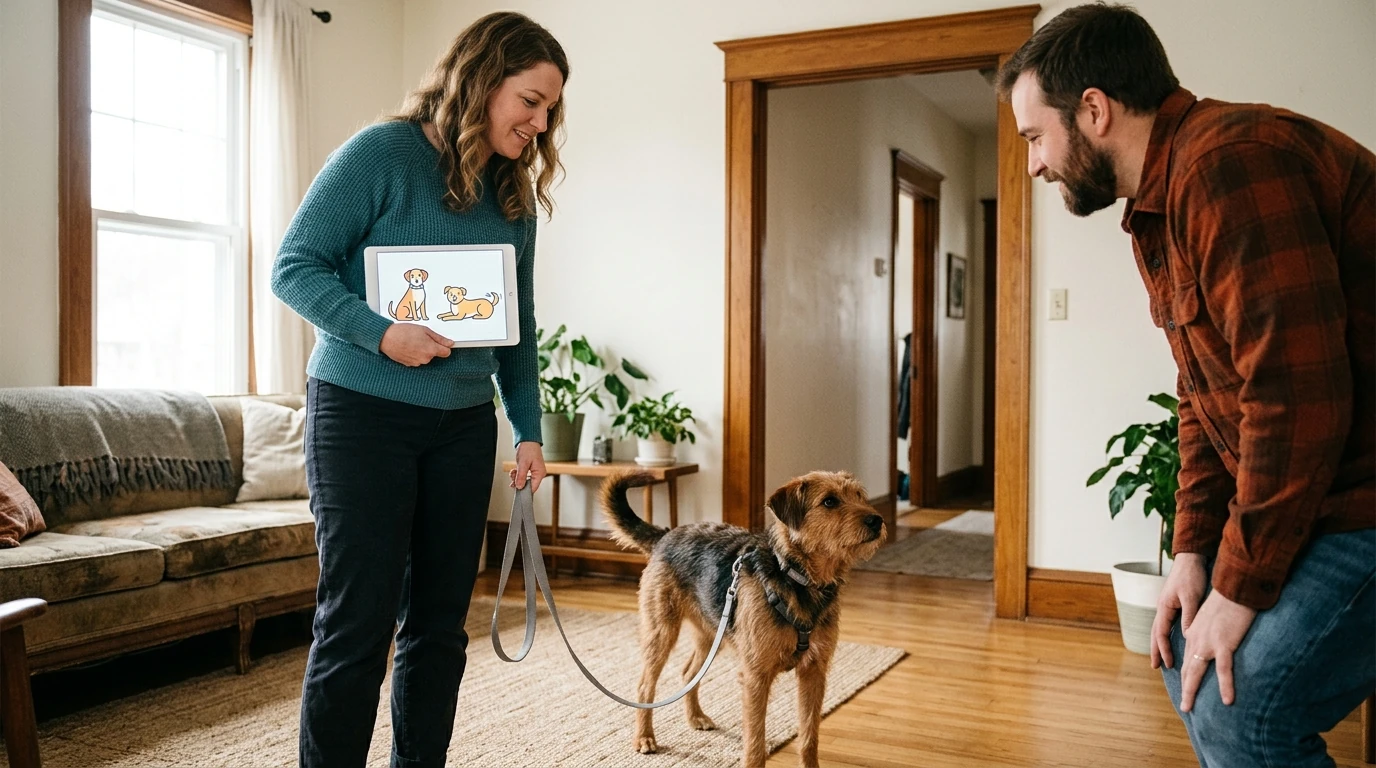
Our team created Understanding Pet Social Behavior Basics (Digital Download eBook) for pet parents who want clear, everyday guidance on reading social cues, building social skills, and supporting early socialization with confidence and kindness. You’ll get a practical roadmap you can actually use before a walk, when guests arrive, or when your pet is unsure about a new situation.
What “social behavior” really includes (and why it shapes daily life)
When most people hear “social,” they picture pets greeting each other. In real life, social behavior covers much more: comfort with people, handling and grooming, household routines, novelty (new sounds, surfaces, and places), and the ability to trust predictable boundaries.
- Healthy social skills reduce stress behaviors like constant vocalizing, guarding, escape attempts, and shutdown (freezing/avoiding).
- “Good social” looks different for every pet. Some love playgroups; others do best with parallel walks; many thrive with a small, trusted circle.
- Early support matters, but it’s never “too late.” Skill-building works at any age when you break it into manageable steps and reinforce consistently.
Reading social signals: a quick body-language map for pet parents
To read social behavior accurately, look at the whole picture: ears, eyes, mouth, tail, weight shift, and how your pet uses space (approach, retreat, curving away, freezing). One signal alone can be misleading—clusters tell the real story.
Pay special attention to “stacking” stress signals. A yawn, lip-lick, head turn, sudden sniffing, shaking off, pinned ears, tucked tail, hard stare, and stiff posture can build on each other until your pet tips from “uncomfortable” into “reactive.” Distance is communication, too: stepping back is a polite request. If closeness is forced, your pet can learn that subtle warnings don’t work, which raises the risk of bigger reactions later.
Body language and what to do next (quick guide)
| Signal | What it may mean | Supportive next step |
|---|---|---|
| Loose body, curved approach | Comfortable/curious | Reward calm; allow a brief sniff, then take a short break |
| Stiff body, forward lean | High arousal/uncertainty | Create space; redirect to a simple cue or movement away |
| Turning head away, lip lick | Stress/appeasement | Lower intensity; increase distance; offer an easy win (treat scatter) |
| Freeze (stillness) | Overwhelmed/decision point | Pause interaction; guide away calmly before escalation |
| Growl/hiss | Clear request for distance | Honor the warning; end interaction safely; reassess the setup |
Early socialization done safely: building confidence without flooding
Socialization is about positive associations with the world—not forced greetings. Quality beats quantity. The goal is “I can handle this” confidence, not perfect friendliness.
- Aim for controlled exposure: predictable environments, calm helper people/pets, and short sessions that end on a good note.
- Use the “3-second rule” for greetings when appropriate: brief contact, then call away to reset. Repeat only if both pets stay loose and relaxed.
- Avoid flooding: pushing past fear (dragging closer, prolonged restraint, “letting them work it out”) can increase sensitivity and reactivity.
- Balance exposure with rest: sleep, decompression walks, and quiet time help learning stick.
A simple training framework for social skills (home, street, guests, other pets)
Social situations go better when you have a few reliable “lifeline” behaviors. We recommend starting with predictable foundation cues you can use anywhere: a name response, a hand target, “find it” (treat scatter), and a calm settle on a mat.
- Work under threshold: choose distances and durations where your pet can still take treats, respond to cues, and recover quickly.
- Reinforce calm observation: reward your pet for looking at a trigger (person/dog/bike) and then looking back to you. This builds a check-in habit.
- Teach consent-based handling: pair gentle touches with treats and allow opt-outs; better handling skills often reduce fear around strangers and vet visits.
- Plan for the environment: use barriers and appropriate leashes/harnesses, and add structured sniff breaks so interactions stay manageable.
Common social challenges and kinder fixes
Featured downloads from our team
- Understanding Pet Social Behavior Basics | Digital Download eBook for Pet Parents | Guide to Training, Social Skills & Early Socialization
- Smart Insurance for New Car Owners: A Guide to Understanding Insurance Basics & Choosing the Right Policy
Trusted, science-based references (optional deeper reading)
- American Veterinary Society of Animal Behavior (AVSAB) – Position Statements
- American Animal Hospital Association (AAHA) – Resources and Guidelines
- ASPCA – Dog Behavior and Training Resources
FAQ
What’s the difference between socialization and “socializing” with other pets?
Socialization is the process of building positive, low-stress associations with people, animals, places, sounds, and handling. “Socializing” is just one slice of that (direct interaction), and it should be optional, brief, and comfortable—not forced.
Is it too late to work on social skills with an adult pet?
No—adult pets can learn new social skills through gradual exposure, careful distance management, and consistent reinforcement. Progress can be slower with fear or reactivity, and structured professional help can make the plan clearer and safer.
How do I know if my pet needs more space during an interaction?
Watch for signals like stiffness, freezing, tucked tail, pinned ears, hard staring, lip licking, turning away, and growling/hissing. Increase distance or end the interaction calmly and reward your pet for disengaging and returning attention to you.














Leave a comment