Foods for Younger-Looking Skin: A 7-Day Meal Rhythm
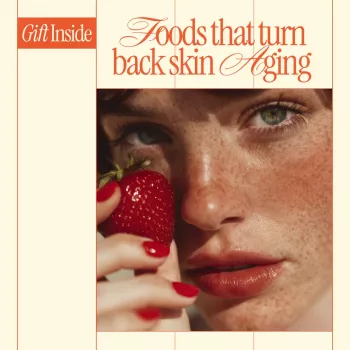
Foods That Turn Back Skin Aging: A Practical, Food-First Approach
Skin support starts at the plate as much as the vanity. When your meals reliably deliver antioxidant protection, collagen-supporting nutrients, and healthy fats, your skin often looks more resilient, hydrated, and even-toned over time. Our team put this guide together for real life: clear food choices, simple swaps, and a steady “anti-aging diet” rhythm you can actually keep.
Nutrition won’t replace sunscreen or a good cleanser, but it can make your basics work harder—especially when you’re consistent. For a deeper overview of how diet connects to skin, the American Academy of Dermatology Association is a helpful starting point.
What “food-first” skin support looks like
- Think patterns, not miracles. One “superfood” won’t undo months of low-nutrient meals. Skin tends to reflect what you do most days.
- Build around three pillars: antioxidants (to help defend against oxidative stress), protein building blocks (for collagen structure), and essential fats (for barrier support and glow).
- Hydration is more than water. Water-rich produce plus minerals and balanced electrolytes can support a plumper look better than simply chugging more water.
- Pair food with non-negotiable basics. Sleep, stress management, and daily sun protection help your dietary upgrades show up faster and more reliably.
Wrinkle-fighting nutrients to build meals around
When you’re choosing what to repeat weekly, aim for nutrients that support collagen formation, barrier function, and overall skin tone.
Key nutrients and where to get them
- Vitamin C: supports collagen formation and antioxidant defense. Use citrus, kiwi, bell peppers, strawberries, and broccoli. (For details, see the NIH Office of Dietary Supplements Vitamin C fact sheet.)
- Vitamin E: helps protect cell membranes from oxidation. Use almonds, sunflower seeds, hazelnuts, and avocado.
- Carotenoids: (beta-carotene, lycopene, lutein) support a healthier-looking tone. Use carrots, sweet potatoes, spinach, kale, and tomatoes.
- Omega-3 fats: support the skin barrier and calm-looking skin. Use salmon, sardines, chia, flax, and walnuts.
- Polyphenols: plant compounds linked with skin-protective benefits. Use berries, green tea, cocoa, and extra-virgin olive oil. For background on antioxidants broadly, Harvard’s overview is useful: Harvard T.H. Chan School of Public Health: Antioxidants.
- Zinc + selenium: support repair processes and antioxidant systems. Use pumpkin seeds, legumes, seafood, and Brazil nuts (portion-aware).
- Protein + amino acids: provide building blocks for collagen and elastin. Include fish, poultry, eggs, Greek yogurt, tofu, and beans.
The skin-supporting pantry: what to shop for (and how to use it)
If you want smoother-looking skin support without complicated rules, set up your kitchen so the “good choices” are the easy choices.
- Use a color rule: aim for at least 3 different produce colors daily—each color group tends to represent different protective compounds.
- Keep healthy fat anchors: olive oil, avocado, nuts, and seeds. A spoonful or sprinkle helps you absorb fat-soluble nutrients (like carotenoids).
- Get protein at every meal: even snacks count—yogurt, edamame, cottage cheese, or roasted chickpeas support repair and firmness.
- Try a “beauty bowl” formula: leafy greens + colorful veg + lean protein + healthy fat + a vitamin C booster (citrus/peppers/berries).
- Batch-friendly basics beat complicated recipes: frozen berries/spinach, canned salmon/sardines, canned beans, and quick oats make consistency easier.
Skin-Friendly Foods and What They Support
| Food group | Everyday examples | Skin-support angle |
|---|---|---|
| Vitamin C produce | Kiwi, oranges, strawberries, bell peppers | Collagen support and antioxidant defense |
| Omega-3 sources | Salmon, sardines, chia, flax, walnuts | Barrier support and smoother-looking texture |
| Carotenoid-rich vegetables | Carrots, sweet potatoes, spinach, kale, tomatoes | Healthy-looking tone and oxidative stress protection |
| Vitamin E + minerals | Almonds, sunflower seeds, pumpkin seeds, avocado | Membrane protection and repair support |
| Polyphenol boosters | Berries, green tea, extra-virgin olive oil, cocoa | Protective plant compounds that complement a balanced diet |
Common diet habits that can make skin look older
A simple 7-day rhythm that makes results easier
Make it easier with our in-store guides and picks
- Foods That Turn Back Skin Aging – Ebook Guide to Foods That Fight Wrinkles, Youthful Skin Nutrition & Smart Anti-Aging Diet for repeatable food lists, simple combinations, and an easy structure you can stick with long enough to notice changes.
- Smart Insurance for New Car Owners: A Guide to Understanding Insurance Basics & Choosing the Right Policy if you’re tightening routines overall—less stress from messy logistics can support better sleep and more consistent habits.
- Exaggerated Leaf Stud Earrings – Trendy Geometric Design if you want a quick “brighter look” boost on days you’re building the food habits in the background.
Who this guide is for (and who benefits most)
FAQ
How long does it take for diet changes to show on skin?
With steady daily habits, some people notice better hydration and glow within a few weeks, while more visible changes in tone and texture often take longer. Consistency matters more than chasing one-off “perfect” meals.
What are the best foods to support collagen naturally?
Prioritize vitamin C foods alongside adequate protein so your body has both the trigger nutrients and the building blocks it needs. Regularly pairing a protein source with produce like berries, citrus, or bell peppers is a simple, effective routine.
Which foods can make wrinkles look worse over time?
Frequent high added sugar intake, heavily processed eating patterns, too little healthy fat, and not enough produce/fiber can all work against a smoother look over time. Swapping toward fruit-based sweets, adding omega-3 sources, and increasing colorful vegetables is a practical starting point.















Leave a comment