Chic on a Budget: Look Polished Without Overspending
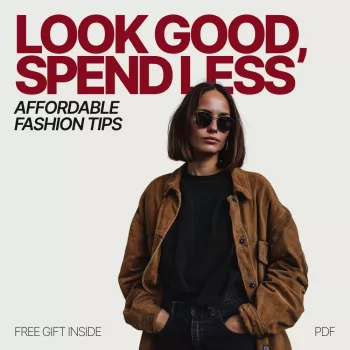
Look Good, Spend Less: A Practical Playbook for Budget Style That Still Feels Chic
A great wardrobe isn’t about constant hauls or chasing every trend. It’s about choosing pieces that earn their keep, shopping with a plan, and learning a few styling shortcuts that make everyday outfits feel intentional. Our “Look Good, Spend Less” approach is built for real budgets: you’ll use a simple system to shop smarter, build more outfits from fewer pieces, and stop spending on items that don’t actually improve your day-to-day style.
Who this is for (and what it helps fix fast)
If any of these feel familiar, you’re in the right place:
- Closets that feel full but outfits still feel like “nothing to wear”
- Impulse buys that don’t match anything else at home
- Shopping that starts with price and ends with regret
- Wanting a polished look for work, weekends, and events—without designer spending
- Needing a simple structure for wardrobe building: what to buy, when to buy, and what to skip
The core method: fewer pieces, more outfits
Our team uses a repeatable method that makes getting dressed easier and shopping less risky.
1) Build outfits from formulas, not random “cute tops”
Use a simple structure: top + bottom + layer + shoe + finishing detail. When you shop, you’re not buying a standalone item—you’re buying something that fits into a formula you’ll actually repeat.
2) Invest your budget in “bridge” items
Bridge items connect multiple outfits: a neutral layer, a go-with-everything shoe, and an everyday bag. These pieces make your wardrobe feel bigger without buying more.
3) Tighten your color plan
Choose 2–3 neutrals plus 1–2 accent colors. This reduces mismatched purchases and makes thrift and discount shopping dramatically easier because you can quickly say “yes” or “no.”
4) Treat trends like seasoning
Trends are the fastest way to overspend because they’re exciting and time-limited. Add small doses through accessories rather than expensive statement clothing.
5) Let fit and fabric do the heavy lifting
Even budget pieces can look elevated when the fit is right and the fabric has decent drape. Prioritize comfort, clean lines, and materials that don’t cling or warp after one wash.
Smart shopping rules that protect your budget
Before you browse, set a purpose: replace, upgrade, or add a missing bridge item. Then use a short “yes list” to keep your cart from turning into a mood board.
- Fits now (not “when I…”)
- Works with at least 3 outfits you can name today
- Comfortable for the intended day (walking, sitting, commuting, weather)
- Returnable if possible, especially for new-to-you cuts
Next, compare cost-per-wear: the “perfect event dress” worn once is often pricier than a well-fitting pair of pants worn weekly. For additional budgeting structure, the Consumer Financial Protection Bureau has practical tools you can use to set a realistic spending plan: https://www.consumerfinance.gov/consumer-tools/budgeting/.
Shop in passes (so you stop impulse buying)
- Pass 1: Build a list (no purchases).
- Pass 2: Check your closet—confirm what you already own that could fill the role.
- Pass 3: Purchase only what still solves a real gap.
For general buying best practices (returns, refunds, and avoiding common shopping pitfalls), the FTC’s consumer guidance is a helpful bookmark: https://consumer.ftc.gov/.
Quick wardrobe-building priorities (what to buy first, what to wait on)
| Category | Buy First When… | Pause When… | Budget-Friendly Upgrade Tip |
|---|---|---|---|
| Everyday tops | Most outfits start here and current ones don’t layer well | You already have multiples in the same cut/color | Choose solid colors and better drape; skip loud prints until basics are set |
| Bottoms (jeans/trousers/skirts) | You have fewer than 2 go-to options that fit comfortably | You’re buying a “maybe size” or a cut you never reach for | Pay for fit (tailoring if needed); keep washes and colors versatile |
| Layers (blazer/cardigan/jacket) | Outfits feel unfinished or only work in one season | It only works with one type of outfit | Choose a neutral layer that elevates tees and dresses instantly |
| Shoes | You’re rotating one pair too hard or avoiding outfits due to discomfort | Buying a trendy pair that doesn’t match your day-to-day life | One clean, simple pair can make budget outfits look sharper |
| Accessories | Outfits are fine but lack polish | You’re using accessories to “save” clothes you don’t like wearing | Small upgrades (earrings, belt, bag) add impact without major spending |
Affordable fashion tips that instantly look more expensive
Build a chic wardrobe on a budget (without rebuying the same mistakes)
How to use the eBook for quick wins in the first week
Small add-ons that make budget outfits feel finished
- Look Good, Spend Less – Affordable Fashion Tips eBook for Budget Style, Smart Shopping & Chic Wardrobe Building
- Exaggerated Leaf Stud Earrings – Trendy Geometric Design
FAQ
Will this help even if most shopping happens at discount stores or thrift shops?
Yes—when you use a color plan, outfit formulas, and a gap-based list, you can scan racks faster and skip “cheap but wrong” items. Focus on fit, fabric feel, and whether the piece connects to at least three outfits through bridge items and consistent colors.
How many pieces are needed to start a chic wardrobe on a budget?
You can start with a small, functional range: a few reliable tops, two great bottoms, one layer, one everyday shoe, and one finishing accessory. Consistency and mix-and-match matter more than hitting a strict number.
How does the eBook keep shopping from turning into impulse buying?
It relies on a clear yes-list (fits now, works in three outfits, comfortable, returnable) plus cost-per-wear thinking. The three-pass shopping method adds a pause to check your closet before you buy, so purchases fill real outfit gaps instead of momentary excitement.










Leave a comment