Beginner Fashion Terms: Printable Checklist & Glossary
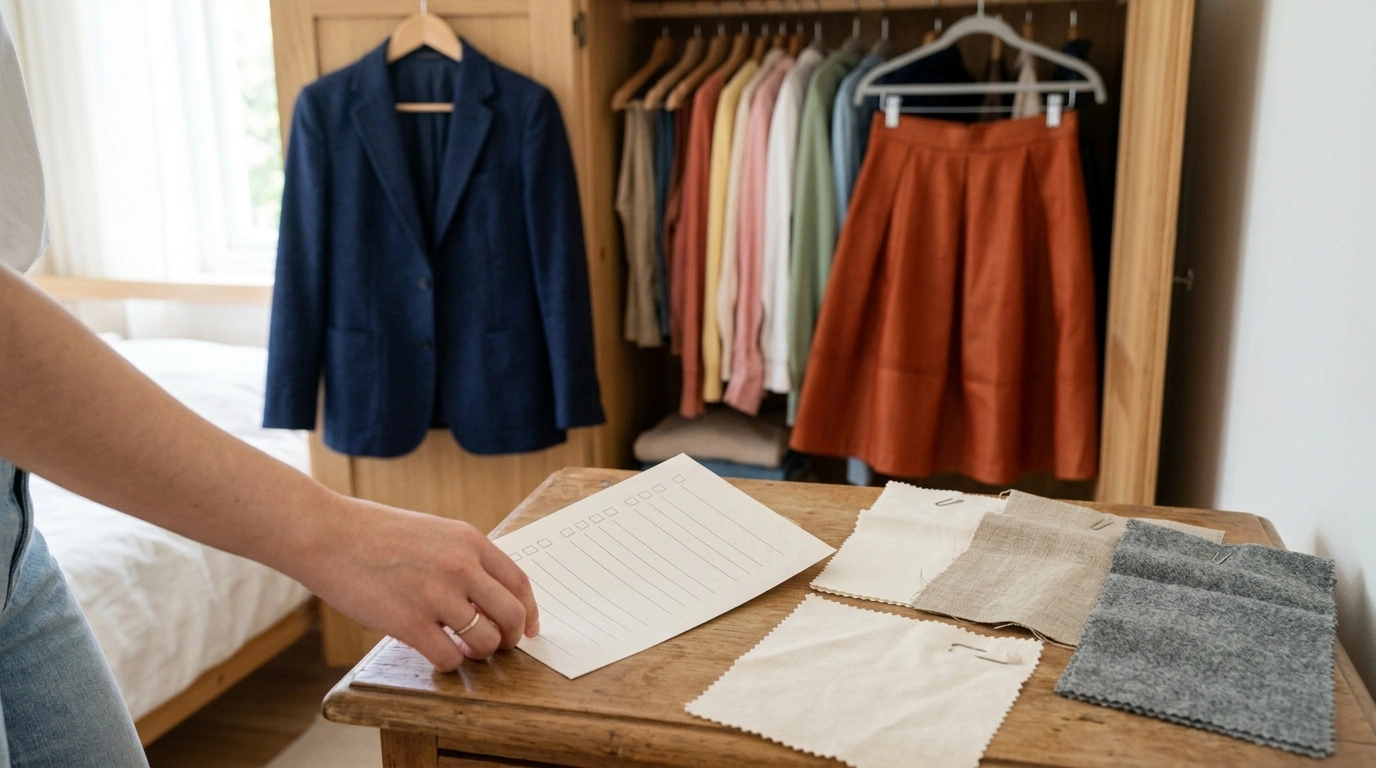
Fashion Terms Every Beginner Should Know: A Printable Checklist for Style Newbies
Fashion feels a lot easier once the vocabulary clicks—suddenly product descriptions, thrift tags, and style advice make sense. This beginner-friendly checklist breaks down common fashion words into clear categories, so building outfits (and shopping smarter) becomes less confusing and more fun.
Why fashion vocabulary makes getting dressed simpler
- Reduces guesswork when reading online product pages and size/fit notes
- Helps identify what to search for when trying to recreate an outfit idea
- Makes it easier to compare items across brands (fits, fabrics, finishes)
- Builds confidence for asking questions in stores or tailoring appointments
If you’ve ever ordered a “structured” blazer expecting softness, or skipped a “midi” dress because you pictured the wrong length, this is exactly what vocabulary fixes. For deeper reference, the CFDA Fashion Glossary is a handy lookup tool when a term pops up mid-scroll.
How to use the printable checklist (quick routine)
- Print one copy for your closet and one for your phone notes (photo or scan)
- Highlight terms already understood; circle the ones that cause confusion
- Pick 5 new terms per week and practice by spotting them in product listings
- Add personal examples: one item owned (or desired) that matches each term
- Use the checklist before shopping to keep purchases aligned with your style goals
Want an easy way to keep it all in one place? The Fashion Terms Every Beginner Should Know – Printable Checklist for Style Newbies | Easy Fashion Vocabulary Guide is designed to be printed, marked up, and reused before shopping trips.
Silhouettes and shapes: the foundation terms
- Silhouette: the overall outline of an outfit or garment
- A-line: fitted at the top and gradually wider toward the hem (common in skirts/dresses)
- Bodycon: very close-fitting to emphasize the body’s shape
- Oversized: intentionally roomy, not simply “too big”
- Cropped: shorter length (tops above the hip; pants above the ankle depending on context)
- Peplum: a short flounce at the waist that adds structure and shape
- Empire waist: seam sits just under the bust for a lengthened look
Silhouette terms at a glance
| Term | What it means | Easy way to spot it |
|---|---|---|
| A-line | Narrow top with a gentle flare | Looks like a capital “A” from shoulder/waist to hem |
| Oversized | Designed to be roomy | Dropped shoulders and extra width are intentional |
| Cropped | Shortened length | Hem ends higher than the standard cut |
| Peplum | Waist ruffle/flounce | Extra fabric kicks out at the waist seam |
Fit and tailoring words that change how clothes feel
- True to size (TTS): item matches the brand’s typical sizing standard
- Relaxed fit: extra ease through the body; comfortable, not shapeless
- Slim fit: closer to the body without being skin-tight
- Structured: fabric and construction hold shape (often with lining/interfacing)
- Darts: stitched folds that shape fabric around curves (bust, waist, back)
- Gusset: added fabric panel that improves range of motion (common in activewear)
- Rise (pants): distance from crotch seam to waistband (low, mid, high rise)
- Inseam: inner-leg length, key for pant length and proportions
- Hem: finished edge at the bottom of a garment; can be shortened/let out by a tailor
When shopping online, “fit” terms often matter more than the numeric size. A relaxed-fit shirt in your usual size can feel intentionally slouchy, while a slim-fit version may pull at the chest or shoulders even though the tag matches.
Fabrics and materials beginners see everywhere
- Cotton: breathable, versatile; can wrinkle depending on weave
- Linen: airy and textured; wrinkles easily (often part of the charm)
- Wool: insulating; ranges from scratchy to soft depending on type and finish
- Denim: sturdy cotton twill used for jeans and jackets; weight varies
- Polyester: durable, wrinkle-resistant; quality varies by weave and finish
- Viscose/Rayon: semi-synthetic with soft drape; can wrinkle and shrink if not cared for
- Elastane/Spandex: stretch fiber blended into fabrics for comfort and recovery
- Satin: a weave that creates shine and smooth drape (can be silk or polyester)
- Knit vs. woven: knits stretch and flex; wovens hold shape and structure
If you’re unsure why two “polyester” tops look and feel totally different, it’s usually the weave/finish (not just the fiber). For a solid overview of how fibers and textiles work, see Encyclopaedia Britannica’s textile overview.
Necklines, sleeves, and hemlines: describing what you see
Closures, details, and finishes that affect polish
Style words used in shopping filters and outfit captions
If you’re experimenting with “statement piece” styling, accessories are a low-risk starting point. Try pairing simple basics with something bold like the Exaggerated Leaf Stud Earrings – Trendy Geometric Design to see how one detail can steer the whole outfit.
Care label terms that prevent laundry surprises
Care labels are standardized for a reason. If you want to understand what brands are required to include on textile labels in the U.S., the FTC’s Care Labeling Rule guidance is a clear reference.
Printable checklist: what’s included and how it helps
FAQ
What are the most important fashion terms to learn first?
Start with silhouette (A-line, oversized, cropped), fit (relaxed vs. slim, rise, inseam), and fabric basics (cotton, denim, knit vs. woven). These affect how items look on your body and how they feel day-to-day.
How can a beginner tell the difference between fit issues and sizing issues?
Sizing issues are overall measurement mismatches (too tight everywhere, shoulders pulling, buttons gaping). Fit issues happen when one area works but the cut doesn’t suit you (waist fits but thighs are tight, sleeves feel restrictive), and that’s where tailoring terms like hem and darts help.
Is the checklist useful for thrifting and secondhand shopping?
Yes—knowing fabric names and silhouettes helps you scan racks faster, read tags with confidence, and spot quality details like lining or a side zip. It also helps you judge tailoring potential quickly (hems, seams, and whether there’s room to alter).














Leave a comment