6×4 Metal Storage Shed: Secure Steel Backyard Storage
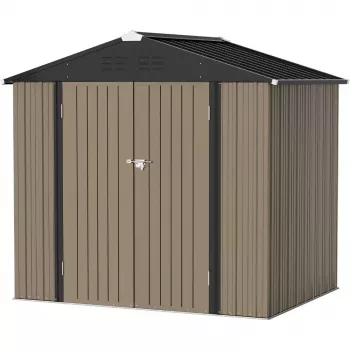
6FT x 4FT Outdoor Metal Storage Shed: Secure, Durable Backyard Storage in a Compact Footprint
A 6FT x 4FT metal storage shed is a practical way to protect tools, lawn equipment, and seasonal items without taking over the yard. This guide explains what to expect from a durable steel utility tool house with a secure lock—covering space planning, weather resistance, setup basics, and everyday use so the shed stays easy to access and dependable year-round.
Quick look: what this shed is designed to do
- Creates a dedicated, lockable storage zone for tools, garden gear, and small equipment
- Steel construction helps resist impacts, pests, and day-to-day wear compared with many wood or resin options
- Compact 6FT x 4FT footprint works well for side yards, patios, and tight lot lines
- Brown finish blends into many outdoor settings and can be paired with shrubs or fencing for a cleaner look
Space planning: how much fits in 6FT x 4FT
A 6-by-4 shed is small enough to tuck into unused corners, but it can still store a surprising amount when the interior is planned on purpose. Start by measuring the real placement area, not just the footprint: you’ll want clearance for doors to swing and enough room to comfortably step in and reach items without twisting around sharp tools.
- Measure the real placement area: allow extra clearance for doors to swing open and for comfortable access inside
- Map storage by zones: long-handled tools on one side, shelves or bins on the back wall, heavier items low and centered
- Prioritize vertical storage: add wall hooks, magnetic tool bars, or a freestanding rack to keep the floor clear
- Plan a “grab path” so frequently used items (hose, shovel, fertilizer, extension cord) are reachable without moving everything
Common items that typically fit well in a 6FT x 4FT shed
| Category | Examples | Storage tip |
|---|---|---|
| Garden tools | Rake, shovel, hoe, pruners | Use wall hooks; keep sharp tools in sleeves or a toolbox |
| Lawn care | Weed trimmer, blower, small spreader | Store fuel (if applicable) in approved containers and keep ventilated |
| Outdoor supplies | Planters, soil bags, tarp, folding chairs | Use stackable bins and keep moisture-sensitive items off the floor |
| Maintenance gear | Toolbox, extension cords, car-wash supplies | Hang cords on reels; label bins for faster access |
Durable steel construction: what to look for in everyday performance
Metal sheds earn their reputation by staying rigid, resisting chewing pests, and holding up to routine bumps from rakes, wheelbarrows, and patio equipment. To get the best performance from steel panels, pay attention to how the shed goes together and where it sits on the property.
- Steel panels are valued for rigidity and resistance to chewing pests and many common outdoor impacts
- Check seams and panel joins during assembly; tighter joins generally reduce rattling and water intrusion during wind-driven rain
- Positioning matters: place the shed where roof runoff won’t pour directly against the walls
- If the shed is in full sun, consider heat management (venting, shaded placement, or storing heat-sensitive items in bins)
Weather protection and corrosion prevention
Even a sturdy steel shed benefits from a few habits that keep it dry and reduce wear. The biggest enemy is standing water—around the base or inside—because moisture accelerates corrosion and can create odors over time.
- Keep the base dry: standing water is a top contributor to corrosion and musty odors
- Use a simple moisture-control routine: sweep debris, avoid storing wet items against walls, and add a desiccant tub if humidity is high
- Inspect after storms: look for loosened fasteners, shifted base alignment, or gaps around edges
- Maintain the finish: clean dirt and salt residue (especially in coastal or winter-salt areas) to help preserve the coating
If you live in a storm-prone area, anchoring and wind resistance matter as much as rain protection. FEMA’s general guidance on reducing wind damage is a helpful reference point when planning placement and tie-downs: https://www.fema.gov/.
Security features: using the lock effectively
A lockable shed isn’t just about theft deterrence; it also helps keep sharp tools away from kids and prevents expensive items from “walking off” during busy yard seasons. The best setup pairs a solid latch with consistent storage habits.
Foundation and anchoring basics for stability
Assembly and setup tips that prevent common headaches
Keep the work area clear as you build so panels and tools don’t become trip hazards. OSHA’s general housekeeping guidance is a good reminder for maintaining safe walking surfaces while working: https://www.osha.gov/walking-working-surfaces.
Storage layouts that keep the interior usable
Who this compact metal shed suits best
In-stock picks
- 6FT x 4FT Outdoor Metal Storage Shed – Durable Steel Utility Tool House with Secure Lock, Brown
- Smart Insurance for New Car Owners: A Guide to Understanding Insurance Basics & Choosing the Right Policy
- The First-Time Puppy Owner Toolkit: 4-in-1 Digital Download Bundle
FAQ
Does a 6FT x 4FT metal shed need a foundation?
A level, well-drained base (concrete, pavers, or compacted gravel) is strongly recommended to keep doors aligned and reduce moisture issues. Anchoring the shed to that base also helps prevent shifting during strong winds.
How can moisture and odors be reduced inside a metal shed?
Improve airflow, store only dry items, and keep bins or supplies off the floor when possible. Adding a desiccant in humid climates and ensuring runoff drains away from the perimeter also helps.
What lock works best for an outdoor shed?
A weather-resistant padlock is a reliable choice because it’s less prone to rust and sticking. Periodically check latch alignment and lubricate the lock so it closes smoothly.















Leave a comment